April 18, 2026

marketing strategies

Business marketing job titles serve as the gateway to understanding the dynamic landscape of the marketing industry. They not only define roles but also reflect the evolving trends and advancements in the field. With a myriad of titles ranging from entry-level positions to executive roles, each title carries its unique responsibilities and expectations, showcasing the diverse opportunities available in the business marketing arena.

From digital marketing specialists to brand managers, the variety in job titles highlights the importance of specialization and the skills required. As industries evolve and adapt to new technologies, the titles associated with business marketing continue to transform, making it essential for both professionals and employers to stay informed about current trends and expectations.

Overview of Business Marketing Job Titles

In the fast-paced world of business marketing, job titles serve as essential indicators of roles, responsibilities, and career trajectories within the field. Understanding the significance of job titles helps professionals navigate their careers and organizations in structuring their marketing teams effectively.Job titles in business marketing not only reflect the hierarchy within a company but also provide insight into the skills and expertise required for various positions.

Common job titles include Marketing Coordinator, Brand Manager, Digital Marketing Specialist, and Chief Marketing Officer (CMO). It’s important to note that the same role can have different titles across various industries, such as “Marketing Director” in one company and “Head of Marketing” in another, showcasing the diverse nature of the marketing landscape.

Hierarchy of Business Marketing Roles

The structure of business marketing roles typically follows a hierarchy, from entry-level positions to executive roles. This hierarchy Artikels a clear path for career progression and defines the responsibilities associated with each level.

Job Title Level Responsibilities
Marketing Intern Entry-level Assisting with marketing campaigns, conducting market research, and supporting the marketing team.
Marketing Coordinator Junior Coordinating marketing projects, managing social media accounts, and analyzing campaign performance.
Marketing Manager Mid-level Developing marketing strategies, overseeing marketing teams, and managing budgets.
Director of Marketing Senior Leading marketing initiatives, creating brand strategies, and working closely with other departments.
Chief Marketing Officer (CMO) Executive Setting marketing vision and strategy, overseeing all marketing efforts, and reporting to the CEO.

Skills Required for Business Marketing Positions

To excel in a business marketing role, professionals must possess a diverse array of skills. These skills can be categorized into soft and hard skills, each playing a vital role in a marketer’s effectiveness.

  • Soft Skills:
    • Communication: Ability to convey ideas clearly and persuasively.
    • Creativity: Generating innovative marketing strategies and campaigns.
    • Collaboration: Working effectively with diverse teams.
  • Hard Skills:
    • Data Analysis: Interpreting marketing data to inform decisions.
    • /SEM: Understanding search engine optimization and marketing.
    • Content Management: Proficiency in content creation and management tools.

Continuous learning and skill development are crucial in the marketing field, as the landscape is always evolving. Marketers must stay updated with the latest trends, tools, and technologies to remain competitive.

Emerging Trends in Business Marketing Job Titles

The business marketing sector is witnessing a shift in job titles due to the rise of digital transformation. New roles and responsibilities are emerging as companies adapt to changing consumer behaviors and technological advancements.Recent trends include titles such as Growth Hacker, Digital Marketing Analyst, and Content Strategist, reflecting a greater emphasis on data-driven marketing practices. In contrast, traditional titles like Marketing Associate or Brand Manager may not fully encompass the skill sets required in today’s market environment.

This shift highlights the necessity for marketers to be adaptable and forward-thinking.

Job Titles in Relation to Marketing Strategies

Specific job titles can align with particular marketing strategies, enhancing organizational effectiveness. For instance, a Social Media Manager focuses on enhancing a brand’s social media presence, while a Content Marketing Specialist is dedicated to producing engaging content that drives traffic and conversions.Case studies from successful organizations illustrate how job titles can directly impact marketing success. Companies that employ clearly defined roles often experience better collaboration and more effective execution of marketing strategies.

The Impact of Job Titles on Career Progression

Job titles play a crucial role in personal branding within the marketing field. Having a recognizable title can enhance a professional’s credibility and open doors for new opportunities. Leveraging job titles effectively can lead to significant career advancement. Marketers should be strategic in how they present their roles and responsibilities during the hiring process, especially when negotiating job titles that reflect their skills and experience accurately.

Global Perspectives on Business Marketing Job Titles

Job titles in business marketing differ significantly across the globe, influenced by cultural and regional differences. Understanding these variations is essential for multinational companies operating in diverse markets.

Country Common Job Title Equivalent Title
United States Marketing Manager Brand Manager
United Kingdom Marketing Executive Marketing Officer
Germany Marketing Leiter Marketing Director

Cultural considerations also influence how job titles are viewed and interpreted. In some cultures, hierarchy is paramount, while in others, a more egalitarian approach is favored. Understanding these nuances can enhance communication and collaboration in international marketing efforts.

Final Review

In conclusion, the exploration of business marketing job titles reveals their critical role in shaping careers and driving organizational success. Understanding the hierarchy, necessary skills, and emerging trends in job titles not only aids professionals in navigating their career paths but also empowers businesses to effectively strategize their marketing initiatives. As the marketing landscape continues to evolve, staying abreast of these changes will undoubtedly enhance future opportunities for growth and advancement.

FAQ

What are the most common entry-level marketing job titles?

Common entry-level marketing job titles include marketing coordinator, marketing assistant, and social media specialist.

How can job titles impact salary expectations?

Job titles often correlate with experience and responsibility, impacting salary expectations significantly, with more senior titles generally commanding higher salaries.

Do job titles vary significantly between industries?

Yes, job titles can vary greatly between industries, with some sectors using unique terminology that reflects specific roles or responsibilities.

How often should marketing professionals update their job titles on resumes?

Marketing professionals should update their job titles on resumes whenever they change roles or acquire new responsibilities to accurately reflect their current expertise.

What skills are essential for advanced marketing roles?

Essential skills for advanced marketing roles include strategic thinking, leadership, data analysis, and proficiency with digital marketing tools.

Branding iron initials serve as a powerful tool for personal branding, allowing individuals and businesses to create a unique identity in a crowded marketplace. These customized markings not only enhance product authenticity but also forge an emotional connection with consumers, making them feel more invested in the brand.

From artisanal crafts to food products, branding iron initials have found their place across various industries, offering a personalized touch that resonates with customers. Whether you’re a small business owner or a hobbyist, understanding the significance and application of branding iron initials can elevate your branding efforts to new heights.

Importance of Branding Iron Initials

Branding iron initials symbolize a unique identity, playing a crucial role in personal branding. They serve not only as a visual representation of a person’s style and sophistication but also establish a strong connection with their audience. In a competitive landscape, where individuality is paramount, these initials can set one apart, fostering brand loyalty and recognition.The significance of branding iron initials extends beyond mere aesthetics; they enhance product identity by creating an unmistakable mark of authenticity.

This distinctiveness is vital, especially in markets flooded with generic products. When consumers recognize a particular branding iron initial, it evokes a sense of trust and quality associated with its maker.

Emotional Connections to Personalized Branding

Personalized branding, particularly through branding iron initials, cultivates an emotional connection that resonates deeply with customers. This connection is often fostered by the following factors:

  • Sense of Ownership: People feel a stronger attachment when a product bears their initials, making it uniquely theirs.
  • Storytelling: Each branding iron initial carries a story, transforming an ordinary product into a cherished possession with personal significance.
  • Tradition and Heritage: Many individuals associate initials with family legacies, adding layers of meaning that enhance emotional ties.
  • Exclusivity: Personalized branding signals uniqueness, appealing to those who value individuality and bespoke experiences.

These elements highlight how branding iron initials go beyond function, forging significant emotional bonds that can drive customer loyalty and enhance brand perception. As brands continue to navigate an ever-evolving market, the role of personalized branding becomes increasingly vital in establishing lasting connections with consumers.

Types of Branding Irons

Branding irons come in various forms, each serving a unique purpose and catering to different needs. Understanding the available types helps you choose the right one for your branding requirements, whether for personal use, small business, or large-scale operations. This section delves into the different types of branding irons, including manual and electric options, as well as the materials used in their construction.

Electric Branding Irons versus Manual Branding Irons

When selecting a branding iron, the choice between electric and manual options can significantly impact the branding process. Each type has distinct advantages and drawbacks.

Electric branding irons provide a consistent heat source and are typically quicker to use. They can reach high temperatures rapidly, making them ideal for high-volume production. The ease of use and efficiency makes them a popular choice among businesses that require branding on a large scale. However, they often require access to power sources, which can limit their portability.

In contrast, manual branding irons are more traditional and do not rely on electricity. They are generally more affordable and can be used anywhere without the need for power outlets. Manual irons can also be more versatile in terms of the materials they can heat, making them suitable for users who brand infrequently or want more control over the process.

However, they may require more physical effort and time to achieve the desired branding results.

Materials Used in Making Branding Irons

The performance of a branding iron largely depends on the materials used in its construction. Different materials offer various advantages in terms of durability, heat retention, and branding quality.

The most common materials used for branding iron tips include:

  • Brass: Known for excellent heat retention and even temperature distribution, brass branding irons are durable and resistant to corrosion.
  • Steel: Steel branding irons are robust and can withstand high temperatures, making them suitable for heavy-duty applications. They often come in various finishes, including stainless steel, which prevents rust.
  • Aluminum: Lightweight and affordable, aluminum branding irons are easy to handle but may not retain heat as well as brass or steel alternatives.
  • Copper: While not as common, copper branding irons can provide unique branding effects and are appreciated for their aesthetic appeal.

Choosing the right material for your branding iron can influence the quality of the imprint and the longevity of the tool itself. Each material has its own set of characteristics, making it essential to consider the intended use and frequency of branding when making a selection.

Customization Options

Customization of branding iron initials allows businesses and individuals to inject a personal touch into their branding efforts. Tailoring these irons to reflect unique designs not only enhances aesthetic appeal but also strengthens brand identity. The various methods of customization include selecting distinctive designs, fonts, sizes, and colors, each playing a critical role in the final product’s visual impact.

Methods for Customizing Branding Iron Initials

There are numerous ways to customize branding iron initials, ranging from intricate designs to simple monograms. Choosing unique motifs, logos, or patterns can help differentiate a brand in a competitive market.

  • Unique Designs: Custom designs can include logos, symbols, or even personalized messages that resonate with your brand’s story.
  • Combination of Elements: Mixing different designs, like combining initials with a brand emblem, creates a distinctive branding tool.
  • Engraving Techniques: Utilizing various engraving techniques such as etching or stamping can add texture and depth to the branding iron.

Selection of Fonts and Sizes

Choosing the right font and size for branding initials is essential for clarity and recognizability. The font style should align with the brand’s image, whether it’s traditional, modern, bold, or elegant.

  • Font Variations: Options range from serif to sans-serif fonts, each imparting a different vibe to the branding. For instance, serif fonts may evoke tradition and trust, while sans-serif fonts often feel more contemporary.
  • Size Considerations: The size of the initials must be appropriate for the branding iron’s intended use, ensuring visibility and impact without overwhelming the design.
  • Readability: Ensuring that the chosen font is legible when burned into materials is crucial to maintaining professionalism and brand coherence.

Significance of Color Choices in Branding Iron Designs

While branding irons are typically associated with the burn mark they leave, color choices come into play during the design process of the branding iron itself and the branding materials. The color can evoke different emotions and perceptions, thus influencing how a brand is viewed.

  • Brand Identity: The colors selected should align with the brand’s identity. For instance, blue often represents trust, while red can denote passion and energy.
  • Material Considerations: Different materials used with the branding iron can influence color retention and visibility, affecting the final impression of the brand.
  • Color Combinations: Using complementary colors can enhance visual appeal, making the branding iron not only functional but also an attractive representation of the brand.

Applications of Branding Iron Initials

Branding iron initials serve as a versatile tool across various sectors, enhancing authenticity and recognition. Their applications are not limited to one specific area; instead, they spread across numerous industries, emphasizing quality and craftsmanship. From artisanal crafts to the food industry, branding iron initials leave an indelible mark, literally and figuratively.

Branding Iron Initials in Various Industries

Branding iron initials are utilized in several industries, establishing a hallmark of excellence and individual craftsmanship. Their presence assures consumers of the product’s authenticity and can enhance brand loyalty. Here are some notable industries where branding iron initials are commonly used:

  • Furniture Making: Craftsmen use branding irons to mark handmade furniture, ensuring customers recognize the unique pieces and the quality craftsmanship involved.
  • Leather Goods: Artisans often brand leather products such as wallets and belts with their initials, offering a personal touch and signifying a commitment to quality.
  • Textile Industry: Designers imprint their initials onto fabric items like blankets or clothing, adding a bespoke aspect to textiles and encouraging customer trust.

Branding Iron Initials in Artisanal Crafts and Handmade Goods

In the realm of artisanal crafts, branding iron initials serve as a means of distinguishing unique handmade items. This practice not only enhances the aesthetic of the product but also establishes a connection between the creator and the consumer. Artisans who leverage branding irons tend to build a narrative around their work, emphasizing individuality and authenticity.For instance, a local potter may use a branding iron to stamp their initials into the bottom of each ceramic piece, creating a recognizable signature.

This practice not only enhances the piece’s value but also allows customers to know the origin of the item. The branding iron creates a lasting impression, reinforcing the artisan’s reputation in a crowded market.

Branding Iron Applications in the Food Industry

The food industry also benefits significantly from the use of branding iron initials, providing a way to personalize food items and reinforce brand identity. This application is particularly notable in gourmet food markets and artisanal food production.For example, a bakery may utilize a branding iron to imprint their initials onto cookies or bread, creating a signature look that stands out.

Similarly, distilleries and breweries often brand their barrels or bottles with initials, signifying the craftsmanship behind their products. This not only enhances visual appeal but also instills a sense of authenticity and quality in the eyes of consumers.

“Branding iron initials not only signify ownership but also foster a connection between the creator and the consumer, enhancing the perceived value of the product.”

Through these applications, branding iron initials demonstrate their importance in establishing identity and trust across various industries, proving to be an essential tool for artisans and businesses alike.

DIY Branding Iron Initials

Creating your own branding iron can be a rewarding experience, allowing you to add a personal touch to your belongings or craft projects. This guide Artikels the steps to make a DIY branding iron, including the necessary tools and safety precautions to consider during the process. Whether you’re a seasoned DIYer or a beginner, crafting a branding iron at home can be both fun and practical.To successfully create a branding iron, you will need a few specific tools and materials.

This section provides everything you need to gather before starting your project.

Tools and Materials Required

Gathering the right tools and materials is crucial for this project. Below is a comprehensive list of what you’ll need to craft your branding iron:

  • Metal Rod or Blank: A steel rod, typically around 1/2 inch in diameter, is ideal for creating the branding head.
  • End Mill or Chisel: These tools are used to carve your initials or design into the metal.
  • Welding Equipment: A welder is necessary if you need to attach your branding head to a handle.
  • Handle Material: Wood or metal can be used for the handle, which should provide a comfortable grip.
  • Heat Source: A propane torch or furnace is required to heat the branding iron for use.
  • Safety Gear: Safety glasses, gloves, and a respirator mask are essential for protection during the crafting process.

Before beginning your DIY branding iron, it’s important to prioritize safety. Working with metal and heat can be hazardous, so taking necessary precautions can prevent accidents and injuries.

Safety Precautions

When creating a branding iron, safety should be a top priority. Here are essential precautions to follow:

  • Wear Protective Gear: Always wear safety glasses to protect your eyes from flying metal particles, gloves to shield your hands from sharp edges, and a respirator mask if grinding or welding fumes are present.
  • Work in a Well-Ventilated Area: Ensure your workspace is adequately ventilated to prevent the accumulation of harmful fumes.
  • Keep a Fire Extinguisher Nearby: In case of accidental fire due to the heat source, having a fire extinguisher within reach can be a lifesaver.
  • Handle Hot Materials Carefully: Use heat-resistant gloves and tools to handle hot metal; always allow the branding iron to cool before touching it.
  • Secure Your Work Area: Keep your workspace organized and free from clutter to prevent accidents while working.

Creating a DIY branding iron involves careful planning and execution. By following these steps and safety measures, you can successfully craft a branding iron that adds a personal touch to your projects, ensuring your initials or designs are uniquely stamped onto your items.

Maintenance and Care

Maintaining branding irons in good condition ensures their longevity and effectiveness. Proper care not only enhances performance but also preserves the aesthetic appeal of the branding tool. Regular maintenance practices can prevent damage and ensure that your branding iron produces clean, clear impressions every time.Regular maintenance involves cleaning and proper storage. After each use, it’s essential to clean the branding iron to remove any residue that may affect its performance in the future.

Here are some practical tips for keeping your branding irons in top shape:

Cleaning and Storing Branding Irons

Effective cleaning and storage practices are crucial for extending the lifespan of branding irons. Regular cleaning removes any buildup from the branding process, while proper storage prevents rust and other forms of damage. To clean your branding iron:

  • Allow the iron to cool completely after use to avoid burns during cleaning.
  • Use a wire brush to remove any residue or burnt material from the branding surface.
  • For stubborn residue, soak a cloth in mineral spirits or a mild cleaning solution and wipe the branding surface.
  • Dry the iron thoroughly with a clean cloth to prevent moisture buildup.

For storing branding irons:

  • Store the branding iron in a dry place to prevent rust development.
  • Consider using a protective coating, such as vegetable oil, on the metal surfaces before storage to create a barrier against moisture.
  • Keep branding irons in a dedicated tool box or holder to prevent accidental damage or bending.

Common Issues and Solutions

Branding irons can face several common issues that may affect their performance. Understanding these problems and knowing how to address them is key to maintaining their functionality.Here are some typical issues along with their solutions:

  • Rust Formation: If your branding iron develops rust, gently scrub the affected area with fine steel wool. Follow up by applying a rust-inhibiting oil.
  • Poor Impressions: If the branding iron is not making clear impressions, check for residue buildup on the branding surface. A thorough cleaning often resolves this issue.
  • Handle Loosening: If the handle feels loose, check the screws. Tightening them with the appropriate tool can prevent further movement and potential breaks.
  • Inconsistent Heating: If the branding iron is not heating evenly, ensure that the heating element is functioning properly. Test it with a multimeter, and replace it if necessary.

Regular maintenance, proper cleaning, and timely addressing of issues will ensure that your branding irons remain functional and effective tools for your branding needs. By following these guidelines, you’ll maximize the utility of your branding irons and ensure they serve you well for years to come.

Legal Considerations

Using branding iron initials in business can be a great way to establish and reinforce brand identity. However, there are several legal implications that businesses must consider to avoid infringing on others’ rights and to protect their own. Understanding these considerations is vital for any business owner looking to use branding iron initials.When utilizing branding iron initials, businesses need to be aware of trademark laws that protect brand designs.

Trademark considerations are essential for ensuring that your branding iron initials do not violate any existing trademarks. It’s important to conduct thorough research and possibly consult with a legal professional to ensure that the initials do not closely resemble existing marks in your industry.

Trademark Considerations

Trademark registration is a critical step for businesses planning to use branding iron initials. This process helps protect your unique branding from being used by others. Here are some best practices to ensure compliance with trademark laws:

  • Conduct a Trademark Search: Before settling on branding initials, perform a search using databases such as the United States Patent and Trademark Office (USPTO) to check for any existing trademarks that may conflict with your choice.
  • Consider Distinctiveness: The more distinctive your branding initials, the easier it will be to register and protect them. Avoid generic or descriptive terms that might not qualify for trademark protection.
  • File for Trademark Registration: Once you’ve confirmed that your initials are unique, file an application for trademark registration to establish legal protection.
  • Use a Trademark Symbol: Once registered, use the ® symbol to signal to others that your branding initials are protected. If not yet registered, use the ™ symbol.

Compliance Best Practices

Staying compliant with branding laws can save your business from potential legal disputes. Here are best practices for ensuring compliance:

  • Regular Monitoring: Periodically check for any new trademarks that may conflict with yours and be prepared to adapt if necessary.
  • Maintain Accurate Records: Keep detailed records of your branding iron usage, including dates and contexts, to support your claims in case of disputes.
  • Seek Legal Counsel: Consult with an intellectual property attorney to stay updated on any changes in trademark legislation that could affect your branding.
  • Educate Your Team: Make sure everyone involved in brand management understands the importance of trademark laws and compliance.

“Trademark rights are established through use in commerce, and registration provides additional legal benefits.”

By implementing these strategies, businesses can confidently use branding iron initials while safeguarding their brand identity and adhering to legal standards. Understanding and navigating the legal landscape surrounding branding is essential for the longevity and integrity of any brand.

Marketing Strategies

Effective marketing strategies leveraging branding iron initials can significantly enhance brand visibility and customer loyalty. By using personalized branding, businesses can create memorable impressions that resonate with customers. This approach not only adds a unique touch to products but also fosters a deeper connection between the brand and its audience.Utilizing branding iron initials as part of a marketing strategy can take several forms, including showcasing products on various platforms, engaging with customers, and promoting brand identity.

A well-executed marketing campaign that employs branding iron initials can create emotional connections and inspire brand advocacy among consumers.

Leveraging Social Media

Social media platforms are pivotal in promoting branded products featuring initials. They provide an expansive reach and the ability to engage directly with customers. Here are some effective strategies to consider for showcasing branded products on social media:

  • Visual Storytelling: Share high-quality images or videos of products that prominently feature the branding iron initials. Use lifestyle shots that depict the items in real-life settings to create an emotional appeal.
  • User-Generated Content: Encourage customers to share their experiences with your products by using a specific hashtag. This not only showcases real customer satisfaction but also builds community around your brand.
  • Influencer Collaborations: Partner with influencers who align with your brand values. They can create authentic content featuring your branded initials, helping to tap into their audience and enhance credibility.
  • Engagement Campaigns: Run contests or giveaways that incentivize users to share your products with their initials. This can increase visibility and encourage sharing among potential customers.

Successful Branding Campaign Examples

Numerous brands have successfully integrated branding iron initials into their marketing campaigns, showcasing the effectiveness of this strategy. Notable examples include:

  • Leather Goods Brand: A high-end leather goods company utilized branding iron initials on its products. They launched a campaign that encouraged customers to share their personalized items on Instagram, resulting in a 30% increase in engagement and brand recognition.
  • Custom Jewelry Retailer: A custom jewelry brand featured initials in its marketing through targeted ads on Facebook and Instagram. By showcasing unique pieces with personalized initials, they increased conversions by 25%, demonstrating the power of tailored branding.
  • Artisan Furniture Maker: An artisan furniture maker incorporated branding iron initials into their pieces and shared the stories behind each creation on social media. This narrative approach fostered a loyal community, leading to repeat purchases and referrals.

“Effective branding is not just about a logo; it’s about creating an emotional connection with your audience.”

Trends in Branding

In today’s rapidly evolving market, branding has become an essential element for businesses seeking to stand out. Among the various strategies that brands utilize, initials play a pivotal role. Branding iron initials not only serve as a hallmark of quality but also reflect the personal touch that consumers increasingly seek. As we explore the current trends in branding related to initials, we’ll also examine how personal branding influences consumer behavior and consider predictions for the future of branding iron initials in marketing.

Current Trends in Branding Involving Initials

The trend of incorporating initials into branding strategies has seen a notable resurgence as a method to convey authenticity and personalization. Many brands are now leveraging initials to create unique identities that resonate more deeply with consumers. This personalization trend is reflected across various sectors, from luxury goods to artisanal products. Key trends include:

  • Minimalist Design: Brands are moving towards sleek and sophisticated designs using initials, as they symbolize elegance and simplicity.
  • Monogramming: Customization options like monogramming are becoming increasingly popular, allowing consumers to add their initials to products, enhancing the personal connection.
  • Heritage Branding: Brands are emphasizing their history and craftsmanship, using initials to signify legacy and tradition, appealing to consumers who value authenticity.

Impact of Personal Branding on Consumer Behavior

Personal branding significantly influences consumer behavior, as individuals are more inclined to engage with brands that reflect their own identity and values. The use of initials allows consumers to form a closer bond with a brand, enhancing loyalty and trust. When consumers see initials associated with a brand, it often evokes a sense of familiarity and personalization that is lacking in impersonal branding strategies.Research suggests that brands that effectively utilize personal branding strategies experience:

  • Increased Loyalty: Consumers feel a stronger attachment and are more likely to return to brands that resonate with their identities.
  • Enhanced Word-of-Mouth Marketing: People are more motivated to recommend brands that feel personal to them, influenced by the initials that represent shared values.
  • Higher Willingness to Pay: Consumers are often willing to pay a premium for products that they feel a personal connection to, as indicated by the branding through initials.

Future Predictions for Branding Iron Initials in Marketing

Looking ahead, the role of branding iron initials in marketing is expected to expand, driven by ongoing trends in personalization and digital engagement. As technology and social media continue to influence consumer preferences, brands incorporating initials will likely adapt to stay relevant.Predictions for the future include:

  • Integration with Digital Media: Brands may explore dynamic ways to present initials in digital formats, enhancing interactivity and engagement on social platforms.
  • Augmented Reality Experiences: Companies could offer AR experiences that allow consumers to visualize how their initials would look on products before purchase, bridging the gap between digital and physical branding.
  • Personalization at Scale: With advancements in data analytics and AI, brands will be able to offer personalized products using initials more efficiently and effectively, appealing to mass customization trends.

Concluding Remarks

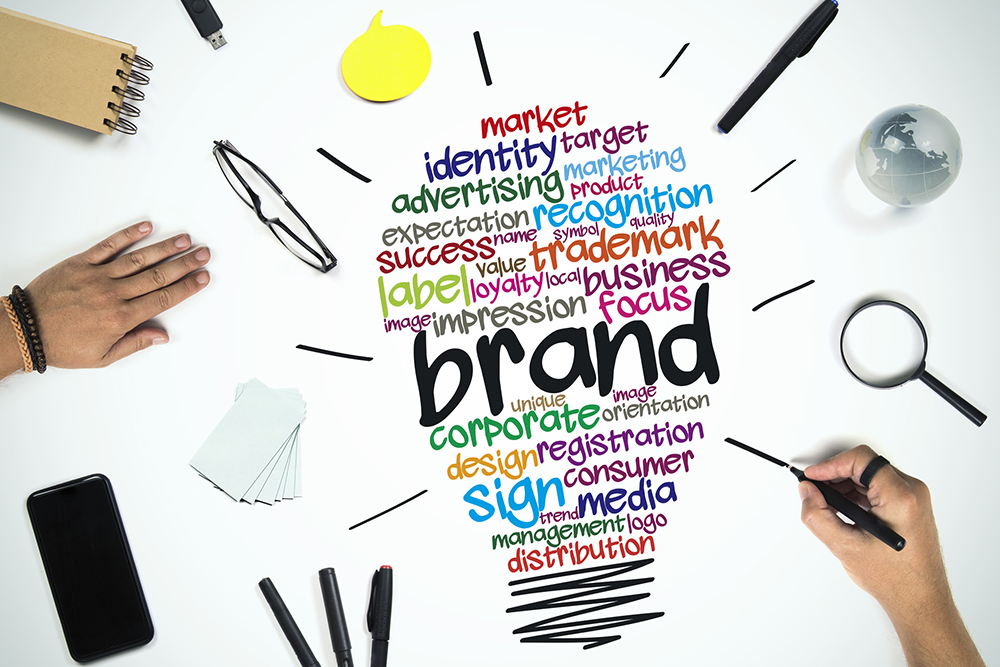
Brands and Branding – What, Why and How

In conclusion, branding iron initials are more than just a mark; they embody a brand’s identity and values. By exploring the various types, customization options, and applications, you can harness the potential of these initials to connect with your audience on an emotional level. As trends in branding evolve, the importance of personalized elements like branding iron initials will undoubtedly continue to rise.

Popular Questions

What are branding iron initials?

Branding iron initials are customized metal stamps used to mark products with a specific design, usually featuring a person’s initials or brand logo.

How do I choose the right font for my branding iron initials?

Consider the style and message of your brand; choose a font that reflects your brand’s personality and is legible.

Can I use branding iron initials on any material?

Branding iron initials can be used on various materials, including wood, leather, and some metals, but make sure the material can withstand the heat.

How do I clean and maintain my branding iron?

To clean a branding iron, allow it to cool and then wipe it with a damp cloth. Store it in a dry place to prevent rust.

Are there any legal considerations when using branding iron initials for my business?

Yes, ensure your branding iron initials do not infringe on existing trademarks and comply with local branding laws.

Branding your company is more than just a logo; it’s the essence of who you are in the marketplace. It shapes how customers perceive you and fosters loyalty that can last a lifetime. As we dive into this topic, we’ll explore how powerful branding strategies can elevate your business and set you apart from the competition.

From the psychology behind colors to the importance of a cohesive brand message, understanding the elements that contribute to a strong brand identity is crucial. In this discussion, we’ll break down the components of effective branding and provide actionable insights to help you craft a brand that resonates with your audience.

Importance of Branding

Branding plays a crucial role in a company’s success, acting as the foundation upon which businesses build their identities. A strong brand not only differentiates a company from its competitors but also communicates its values, mission, and vision to the market. Effective branding establishes a memorable presence that resonates with consumers, leading to recognition and trust. The impact of branding extends beyond mere recognition; it shapes customer perception and loyalty, which are vital for long-term success.

When customers identify with a brand, they develop an emotional connection that can significantly influence their purchasing decisions. A well-executed branding strategy fosters an environment where consumers feel valued, understood, and aligned with the brand’s ethos.

Impact of Branding on Customer Perception and Loyalty

Customer perception is influenced by various elements of branding, including logo, messaging, and overall experience. A coherent brand identity instills trust in customers, making them more likely to choose your products or services over others. This sense of trust is essential in cultivating loyalty. Brand loyalty is driven by several factors that contribute to a positive customer experience. Here are key aspects that highlight the importance of branding in creating loyal customers:

  • Consistency: Consistent branding across all platforms ensures that consumers receive the same message, leading to stronger recognition and reliability.
  • Emotional Connection: Brands that resonate emotionally with their audience can create deeper connections that foster loyalty.
  • Quality Assurance: A strong brand often implies a level of quality that consumers come to expect, reinforcing their loyalty.
  • Community Building: Brands that successfully create communities around their products or services encourage repeat engagement and loyalty.
  • Customer Engagement: Engaging with customers through personalized experiences can help reinforce loyalty and encourage word-of-mouth marketing.

Successful brands exemplify the power of effective branding strategies. For instance, Apple has established a distinct brand identity characterized by innovation and quality. Their branding strategy focuses on simplicity, premium quality, and a strong emotional connection with consumers. This approach has resulted in a loyal customer base that consistently chooses Apple products over competitors. Another notable example is Nike, whose branding emphasizes inspiration and empowerment through its “Just Do It” campaign.

This messaging aligns with the active lifestyles of its customers, creating a community that identifies strongly with the brand.

“Branding is the process of connecting good strategy with good creativity.” – Malcolm Gladwell

By understanding the importance of branding, companies can better navigate the competitive landscape, ensuring they not only attract customers but also retain them over time through loyalty and positive experiences.

Elements of a Strong Brand

A strong brand is more than just a logo or a catchy tagline; it embodies the essence of a company and its values. The elements that contribute to a robust brand identity work together to create a cohesive image that resonates with customers. Understanding these elements is crucial for businesses looking to establish a lasting impression in the marketplace.Key elements that contribute to a strong brand identity include colors, logos, typography, and overall visual style.

Each of these components plays a specific role in conveying a brand’s message and personality. For instance, colors evoke emotional responses, logos serve as the face of the company, and typography communicates tone and character. When combined effectively, these elements can create an impactful and memorable brand experience.

Role of Colors, Logos, and Typography in Branding

The visual elements of a brand are instrumental in shaping customer perceptions and experiences. Here’s a detailed look at how each component contributes to branding:

Colors

Colors play a significant role in brand recognition and emotional connection. Research shows that colors can influence purchasing decisions, with different hues eliciting various emotional responses. For example, blue is often associated with trust and professionalism, while red can evoke excitement and urgency.

Logos

A logo is a visual symbol that represents the brand. It’s often the first element that customers encounter, making it crucial for creating a strong impression. An effective logo should be simple, memorable, and versatile, allowing it to adapt across different mediums.

Typography

The choice of fonts communicates a brand’s character and tone. Serif fonts often convey tradition and reliability, while sans-serif fonts can suggest modernity and cleanliness. Consistent typography across all platforms helps reinforce brand identity and enhances readability.Here’s a table showcasing famous brands and their visual elements:

Brand Color Palette Logo Description Typography
Coca-Cola Red and white Curvy, script font with a classic feel Custom, flowing script
Apple Silver, black, and white Simplistic apple silhouette with a bite taken out San Francisco (custom font)
Nike Black and white Swoosh symbol representing motion and speed Futura (for brand messaging)
McDonald’s Red and yellow Golden arches forming an “M” Bold sans-serif font

Each of these brands utilizes visual elements effectively to convey their unique identities and connect with their target audience. By understanding the importance of colors, logos, and typography, businesses can create a strong brand that stands out in the marketplace.

Developing a Brand Strategy

Creating a robust brand strategy is essential for establishing a strong market presence and connecting with your audience. A well-defined brand strategy not only helps in differentiating your business from competitors but also guides decision-making in marketing, product development, and customer engagement. Understanding the steps involved in crafting this strategy is key to achieving your branding goals.Establishing an effective brand strategy involves several critical steps that ensure your brand resonates with your target audience while aligning with your business objectives.

The following sections Artikel these steps and methods for conducting market research to inform your branding decisions.

Steps to Create an Effective Brand Strategy

Developing a brand strategy requires a thoughtful approach. Here are the crucial steps to consider when creating your strategy:

  • Define Your Brand Purpose: Identify the core mission and values of your brand. Understanding your ‘why’ will drive your branding efforts.
  • Identify Your Target Audience: Conducting thorough research to understand who your ideal customers are, including their demographics, preferences, and behaviors.
  • Analyze Competitors: Study your competition to identify their strengths and weaknesses. This analysis helps you find opportunities for differentiation.
  • Develop Your Brand Messaging: Craft clear and compelling messaging that communicates your brand’s purpose and value proposition to your audience.
  • Create Visual Elements: Design a memorable logo, choose a color palette, and select typography that reflects your brand’s identity.
  • Establish a Brand Voice: Define how your brand communicates with the audience, including tone, language, and style.
  • Implement and Monitor: Launch your brand strategy and continually monitor its performance, making adjustments as needed based on feedback and market changes.

Methods for Conducting Market Research

Conducting market research is a vital component of forming a successful brand strategy. It provides invaluable insights into consumer behavior, market trends, and competitive dynamics. Here are effective methods to gather relevant data:

  • Surveys and Questionnaires: Design and distribute surveys to gain direct feedback from your target audience about their perceptions, preferences, and expectations.
  • Focus Groups: Organize focus group discussions to explore deeper insights into consumer opinions and emotional connections with your brand or industry.
  • Online Analytics: Utilize tools like Google Analytics to analyze website traffic, user behavior, and engagement to understand how your audience interacts with your brand online.
  • Social Media Listening: Monitor social media platforms to gauge customer sentiment and identify trends, helping adapt your branding efforts accordingly.
  • Competitor Analysis: Examine competitors’ branding strategies, marketing campaigns, and customer feedback to inform your branding decisions and identify gaps in the market.

“A brand strategy is not just about logos, colors, and aesthetics; it’s about the perception you create in the minds of your customers. A well-crafted strategy considers every touchpoint a customer has with your brand.” – Branding Expert

Brand Messaging

Brand messaging is essential for effectively communicating your brand’s value and personality. It serves as the foundation for how your audience perceives your brand, influencing their engagement and loyalty. Consistency across all channels strengthens recognition and trust, enabling customers to form a cohesive understanding of your brand’s identity, regardless of where they encounter it.

Importance of Consistent Messaging

Consistent messaging plays a pivotal role in shaping brand perception and customer experience. When your messaging is uniform across various platforms, it reinforces your brand’s identity and creates a seamless experience for the customer. Here are key reasons why consistent messaging is vital:

  • Builds Trust: Consistency breeds familiarity, which fosters trust among consumers. When customers know what to expect from your brand, they are more likely to engage with it.
  • Enhances Recognition: Consistent messaging helps in creating a strong recognizable identity. This makes it easier for customers to recall your brand amidst competition.
  • Strengthens Brand Loyalty: When customers resonate with a coherent message, it cultivates loyalty. A strong, clear message keeps customers returning for more.
  • Improves Engagement: Consistency across channels leads to a unified customer experience, enhancing engagement rates as customers feel more connected to your brand.

Crafting a Resonant Brand Story

Creating a compelling brand story is crucial for connecting with your target audience on an emotional level. A strong narrative can differentiate your brand in a crowded market. Here are several techniques to craft an engaging brand story:

  • Know Your Audience: Understanding the demographics, interests, and pain points of your audience allows you to create a story that resonates deeply with them.
  • Define Your Core Values: Clarifying the values that drive your brand will help shape your narrative and connect with similar values in your audience.
  • Showcase Authenticity: Share genuine stories about your brand’s journey, including challenges and triumphs. Authenticity creates relatability and trust.
  • Utilize a Strong Emotional Hook: Begin your story with a captivating element that evokes emotions. This could be a personal anecdote or an impactful statistic that aligns with your brand’s mission.
  • Incorporate a Hero’s Journey: Position your customer as the hero in your story. Demonstrate how your product or service helps them overcome challenges, leading to success.

Examples of Compelling Brand Messages

Several brands have successfully crafted compelling messages that clearly reflect their values and resonate with their audiences. Notable examples include:

  • Nike: “Just Do It” encapsulates motivation and empowerment, inspiring individuals to pursue their goals. This message has fostered a strong community of brand advocates who identify with the spirit of determination.
  • Apple: Their message of innovation and simplicity is conveyed through their “Think Different” campaign, positioning Apple as a brand for creative thinkers and innovators. This powerful positioning has resulted in a loyal customer base and a premium brand image.
  • Coca-Cola: The brand’s “Open Happiness” message emphasizes joy and togetherness, creating a positive emotional association with the product. This consistent messaging has helped Coca-Cola maintain its status as a beloved global brand.

Brand Positioning

Brand positioning is the process of establishing a distinct image or identity for a brand in the minds of consumers. This concept is vital because it differentiates a brand from its competitors, helping consumers understand what makes it unique and why they should choose it over others. Effective brand positioning leads to increased brand loyalty, customer engagement, and an improved market presence.To achieve strong brand positioning, businesses must consider various strategies that align with their target audience and market dynamics.

Some common positioning strategies include differentiation, cost leadership, and focus. Differentiation emphasizes unique qualities of a product or service, cost leadership aims for competitive pricing, and focus centers on specific market segments. The effectiveness of these strategies can vary based on the industry and consumer preferences.

Comparison of Positioning Strategies

Understanding different brand positioning strategies is crucial for businesses aiming to carve out their niche. Here’s a brief overview of some common strategies:

  • Differentiation: Brands like Apple utilize this strategy by offering innovative and premium products, which allows them to charge higher prices while maintaining customer loyalty.
  • Cost Leadership: Companies such as Walmart focus on providing low prices through operational efficiency, appealing to budget-conscious consumers.
  • Focus Strategy: Luxury brands like Rolls-Royce target a specific market segment, offering tailored products that emphasize exclusivity and high quality.

Brand Positioning Comparison Table

When comparing brands in similar industries, it’s helpful to visualize their positioning strategies. Below is a comparison table showcasing different companies and their approaches to brand positioning:

Brand Positioning Strategy Target Market Unique Selling Proposition (USP)
Apple Differentiation Tech-savvy consumers Innovative design and user experience
Samsung Differentiation Broad consumer base Diverse product range and advanced technology
Walmart Cost Leadership Budget-conscious shoppers Everyday low prices
Rolls-Royce Focus Strategy Affluent customers Luxury and exclusivity

“Effective brand positioning creates a distinct image in the consumer’s mind, leading to increased loyalty and competitive advantage.”

Building Brand Awareness

Brand awareness is a crucial aspect of any successful marketing strategy, especially in competitive markets. It involves making your target audience aware of your brand’s existence, values, and offerings. Increased brand awareness can lead to higher customer engagement, loyalty, and ultimately, sales. In a world where consumers are bombarded with choices, standing out is essential for brands looking to capture market share and foster long-lasting relationships with their audience.Establishing a strong brand presence requires a multi-faceted approach, and various strategies can be employed to raise brand visibility.

These strategies often incorporate both traditional and digital marketing techniques, with a particular emphasis on social media. The role of social media in enhancing brand visibility cannot be overstated; it serves as a powerful platform for reaching and engaging with a broad audience. With the right tactics, brands can leverage social media to create buzz and cultivate a community around their products or services.

Strategies for Increasing Brand Awareness

To effectively increase brand awareness in a competitive market, businesses can adopt several strategies. These approaches not only create visibility but also help forge emotional connections with potential customers.

  • Content Marketing: Creating valuable content that resonates with your audience can significantly boost brand visibility. Blog posts, infographics, and videos that inform or entertain can position your brand as an industry authority.
  • Influencer Partnerships: Collaborating with influencers who align with your brand values can introduce your products to a broader audience. Influencers can create authentic content that showcases your brand in real-life scenarios.
  • Community Engagement: Participating in local events or sponsoring community initiatives can enhance your brand’s reputation and visibility. This strategy fosters goodwill and strengthens local relationships.
  • Search Engine Optimization: Improving your website’s ensures that your brand appears in search results when potential customers are looking for relevant products or services.

The Role of Social Media in Brand Visibility

Social media platforms are instrumental in amplifying brand visibility due to their vast reach and interactive nature. Brands can utilize various social networks to engage with their audience, share content, and build a loyal following. Key aspects of social media’s impact on brand visibility include:

  • Targeted Advertising: Social media platforms offer sophisticated targeting options that allow brands to reach specific demographics and interests, making advertising efforts more effective.
  • User-Generated Content: Encouraging customers to share their experiences with your products helps create authentic content that enhances brand credibility and visibility.
  • Real-Time Engagement: Social media allows for immediate interaction with customers through comments, messages, and posts, fostering a sense of community and connection.
  • Shareability: Engaging and valuable content is more likely to be shared by users, exponentially increasing the potential reach of your brand.

Roadmap for a Brand Awareness Campaign

Developing a structured roadmap for a brand awareness campaign is essential for measuring its success and ensuring alignment with business objectives. A well-defined campaign will include specific phases, activities, and metrics for evaluation.Key phases of a brand awareness campaign include:

  1. Research and Analysis: Identify your target audience, competitors, and market trends to inform your strategy.
  2. Goal Setting: Define clear, measurable objectives for your campaign, such as increasing social media followers or website traffic.
  3. Content Creation: Develop engaging content tailored to your audience, including blog posts, videos, and social media graphics.
  4. Implementation: Execute your campaign across chosen channels, ensuring consistency in messaging and branding.
  5. Monitoring and Measurement: Track key metrics such as reach, engagement, and conversions to evaluate campaign performance and adjust strategies as needed.

“Success in building brand awareness is not just about visibility; it’s about creating meaningful connections with your audience.”

Brand Evolution

Why Should Brands Adopt a More Collaborative and Diverse Approach

As markets and consumer preferences shift, brands face the ongoing challenge of evolving while staying true to their foundational identity. Brand evolution is essential for maintaining relevance and competitiveness in a dynamic landscape. It involves deliberate changes in branding elements, messaging, and strategic focus, all while preserving the core values and mission that define the brand.Successful brand evolution requires a keen understanding of the brand’s heritage and a vision for its future.

Companies must recognize when to pivot or refresh their branding without losing the essence that attracted their audience in the first place. An effective evolution strategy often includes a thorough analysis of market trends and customer feedback, leading to more informed decisions.

Examples of Successful Rebranding

Several brands have successfully rebranded themselves while maintaining their core identity. These case studies illustrate various approaches to brand evolution:

1. Apple Inc.

Originally a personal computer company, Apple transformed itself into a lifestyle brand. By focusing on design and user experience, it evolved to dominate the tech industry with revolutionary products like the iPhone and iPad. Apple’s brand evolution maintained its commitment to innovation and simplicity, core values that have always resonated with consumers.

2. Old Spice

Known for its traditional men’s grooming products, Old Spice underwent a dramatic rebranding in the early 2010s. The brand shifted its marketing focus to younger consumers with humorous and quirky advertisements. This evolution revitalized its image and significantly increased its market share among younger demographics while remaining true to its legacy of masculinity.

3. Dunkin’

Formerly known as Dunkin’ Donuts, this brand transitioned to focus primarily on coffee and beverages. The name change was part of a broader strategy to modernize its image and appeal to a wider audience, especially as coffee culture grew. This evolution allowed Dunkin’ to reinforce its identity as a go-to coffee destination while still offering its traditional donuts.

Conducting a Brand Audit

To determine the necessity for evolution, brands should conduct a comprehensive brand audit. This process helps identify strengths, weaknesses, opportunities, and threats related to the brand. The following steps are critical in evaluating the current brand position:

Assess Brand Perception

Gather feedback from customers, employees, and stakeholders to understand how the brand is perceived. This can include surveys, focus groups, or social media monitoring to gauge sentiments.

Review Brand Elements

Evaluate all brand elements—logo, color palette, messaging, and design. Check for consistency across platforms and assess if these elements resonate with the target audience.

Analyze Market Trends

Research current market trends and competitive positioning. Understanding shifts in consumer preferences and industry benchmarks can highlight areas where the brand may need to adapt.

Examine Financial Performance

Analyze sales data, customer retention rates, and overall market performance. Identifying dips in performance may signal a need for rebranding or evolution.

Identify Core Values and Mission

Revisit the brand’s mission statement and core values. Ensure that any evolution aligns with these foundational elements, maintaining authenticity while addressing new consumer needs.By following these steps, brands can effectively assess the necessity for evolution, ensuring they remain competitive and relevant in an ever-changing market landscape.

Brand Loyalty and Engagement

Building brand loyalty is a crucial aspect of any business strategy, as it fosters long-term relationships between consumers and brands. When customers develop a strong emotional connection with a brand, they are more likely to become repeat buyers and advocates. This loyalty not only drives revenue but also enhances a brand’s reputation and visibility in the market. Several factors contribute to brand loyalty among consumers.

Quality products, consistent customer experiences, and effective communication all play significant roles. A loyal customer base often stems from a perception of value, trust in the brand, and an emotional connection that transcends mere transactions.

Factors Contributing to Brand Loyalty

Understanding what drives brand loyalty can help businesses tailor their strategies effectively. Key factors include:

  • Quality and Reliability: Customers expect products or services to meet their standards consistently, which fosters trust and loyalty.
  • Customer Service: Exceptional customer service creates positive experiences and builds strong emotional connections, encouraging repeat purchases.
  • Personalization: Tailoring communication and offers to individual preferences can make customers feel valued and understood.
  • Brand Values: Brands that align with consumers’ personal values, such as sustainability or social responsibility, often gain loyal followers.
  • Community Engagement: Involvement in community initiatives can enhance brand reputation and foster a sense of belonging among customers.

Methods for Engaging Customers

Engagement is pivotal for building long-term relationships with customers. Businesses can employ various strategies to keep customers involved and connected:

  • Loyalty Programs: Implementing loyalty programs rewards customers for their repeat business, encouraging further engagement.
  • Social Media Interaction: Actively engaging with customers on social media platforms allows brands to create conversations and foster community.
  • Email Marketing: Personalized emails featuring exclusive offers and content keep customers informed and interested in the brand.
  • Feedback Opportunities: Soliciting customer feedback shows that a brand values their opinions and is willing to improve based on their input.
  • Exclusive Events: Hosting events or webinars can deepen customer relationships and create memorable experiences.

Loyalty Programs and Their Benefits

Many companies utilize loyalty programs to enhance customer engagement and retention. Below is a table showcasing different loyalty programs and their key benefits:

Company Loyalty Program Benefits
Starbucks Starbucks Rewards Earn points on purchases, free drinks, and personalized offers.
Amazon Amazon Prime Free shipping, access to exclusive deals, and streaming services.
Sephora Beauty Insider Earn points, receive birthday gifts, and enjoy exclusive events.
Dunkin’ Dunkin’ Rewards Points for every purchase, free drinks, and exclusive promotions.
Marriott Marriott Bonvoy Earn points for free nights, upgrades, and exclusive member rates.

By focusing on brand loyalty and engagement, companies not only enhance customer retention but also create a community of brand advocates who contribute to organic growth through word-of-mouth and social proof.

Measuring Brand Success

Measuring the success of your brand is crucial in understanding its impact and effectiveness in the marketplace. By evaluating how well your brand resonates with your audience, you can make informed decisions to enhance its strength. This section will explore the key performance indicators (KPIs) essential for tracking brand success, along with the tools and techniques to assess brand perception and effectiveness.

Key Performance Indicators for Brand Evaluation

To gauge the success of your brand, it’s essential to focus on specific KPIs that can provide insights into its performance. These indicators help in understanding customer perception, engagement, and overall brand health. The following metrics are vital for assessing brand success:

  • Brand Awareness: Measures how familiar consumers are with your brand, often assessed through surveys and social media metrics.
  • Brand Equity: Evaluates the value of your brand based on consumer perceptions, loyalty, and market presence.
  • Customer Engagement: Tracks interactions with your brand across various platforms to gauge consumer interest and involvement.
  • Net Promoter Score (NPS): Assesses customer loyalty by determining the likelihood of customers recommending your brand to others.
  • Market Share: Indicates your brand’s percentage of total sales in your industry, providing a direct measure of competitive success.

Tools and Techniques for Measuring Brand Perception

Understanding how your brand is perceived in the marketplace involves employing various tools and techniques. These methods can provide valuable insights into customer sentiments and overall brand effectiveness. Utilizing surveys and feedback forms is fundamental for collecting direct consumer opinions. Social media listening tools can also be instrumental in monitoring brand mentions and sentiment analysis. Additionally, platforms like Google Analytics can assist in tracking web traffic and engagement related to your brand.

“Metrics are the compass of branding; they tell you where you’re headed and how far you’ve come.” – Industry Leader

Future Trends in Branding

The branding landscape is continually evolving, influenced by technological advancements and shifts in consumer behavior. As we look ahead, several emerging trends are poised to reshape how brands connect with their audiences. Understanding these trends is essential for developing forward-thinking strategies that resonate with consumers.Technological innovation is at the forefront of these changes, significantly affecting brand strategies and consumer interactions.

Brands are leveraging tools such as artificial intelligence (AI), virtual reality (VR), and augmented reality (AR) to create immersive experiences that engage consumers in novel ways. The integration of technology into branding strategies fosters personalized interactions and enhances customer experience, making it imperative for companies to stay abreast of these advancements.

Impact of Technology on Branding

The influence of technology on branding is profound, redefining how brands communicate and engage. Key aspects include:

  • AI-Driven Personalization: Brands are increasingly using AI to analyze consumer data, enabling them to tailor marketing messages and product recommendations to individual preferences. This level of personalization enhances customer satisfaction and loyalty.
  • Social Media Evolution: Platforms like TikTok and Instagram are evolving, leading brands to adapt their strategies for shorter, more engaging content formats. The focus is shifting towards video content that captures attention quickly.
  • Blockchain for Transparency: As consumers demand greater transparency regarding sourcing and production practices, blockchain technology is emerging as a solution to verify product authenticity and ethical sourcing.
  • Augmented Reality Experiences: Brands are utilizing AR to offer interactive experiences, allowing customers to visualize products in their environment before making a purchase, thus bridging the gap between digital and physical shopping.

Shifts in Consumer Behavior

Consumer preferences are continually changing, necessitating a proactive approach from brands. Understanding these shifts is crucial for developing effective branding strategies in the future.

  • Value-Driven Choices: Modern consumers increasingly prioritize brands that align with their values, such as sustainability and ethical practices. This trend compels brands to demonstrate their commitment to social responsibility.
  • Experience Over Product: Consumers are gravitating towards experiences rather than tangible products. Brands that can create memorable experiences will stand out and foster deeper connections with their audience.
  • Health and Wellness Focus: The growing emphasis on health and wellness has led to consumers favoring brands that promote well-being. Companies in this space need to communicate their health benefits effectively.
  • Digi-Physical Integration: As the lines between online and offline shopping blur, brands must create seamless experiences across all channels, ensuring that customers have a consistent journey regardless of how they interact with the brand.

“The future of branding lies in understanding and adapting to the continuous evolution of technology and consumer preferences.”

Final Thoughts

In conclusion, effective branding is an ongoing journey that requires strategy, creativity, and consistency. By understanding the elements that make up your brand and how to evolve it over time, you can build a loyal customer base and ensure your company thrives in an ever-changing market. Remember, successful branding has the power to transform not just how others see you, but how you see yourself in the business world.

FAQ Explained

What is branding?

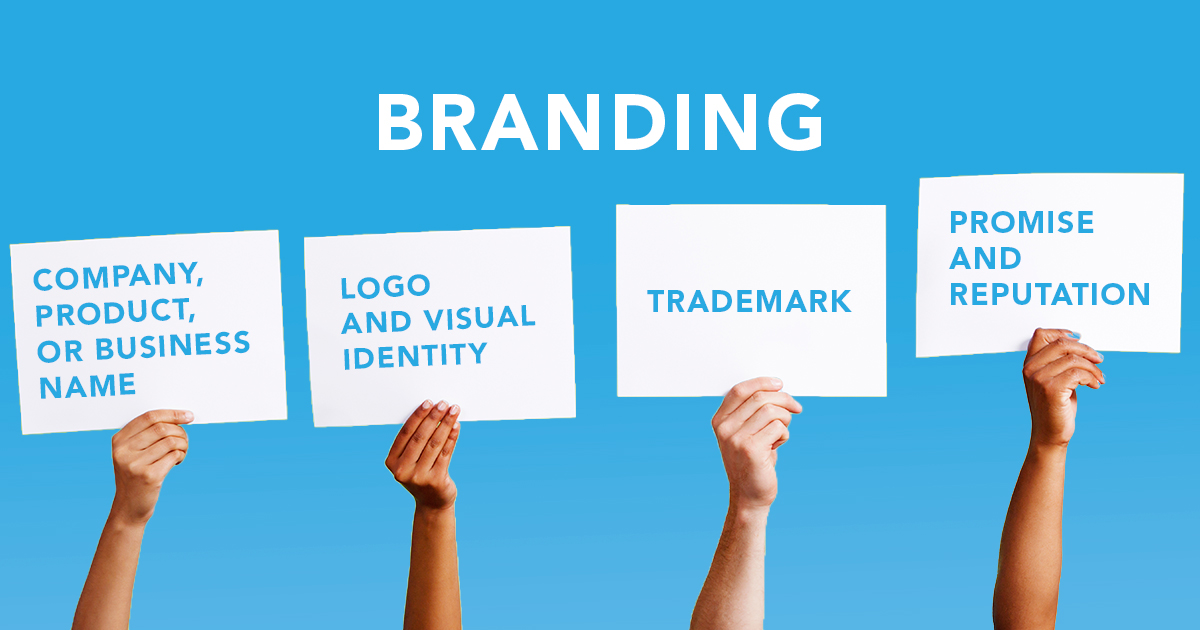
Branding is the process of creating a unique identity for a company, including its name, logo, and overall image, to differentiate it from competitors.

Why is branding important?

Branding is important because it influences customer perception, builds trust, and fosters loyalty, ultimately driving sales and business growth.

How can I improve my brand’s visibility?

Improving your brand’s visibility can be achieved through effective marketing strategies, including social media engagement, content marketing, and partnerships.

What role does customer feedback play in branding?

Customer feedback is vital in shaping branding strategies as it provides insights into how your audience perceives your brand and what improvements may be necessary.

Can branding evolve over time?

Yes, branding can and should evolve to remain relevant in the market, adapting to changes in consumer behavior, technology, and industry trends.