April 18, 2026

digital marketing

Exploring igcse business marketing questions opens up a world of intriguing concepts that are fundamental to understanding how businesses operate in today’s competitive marketplace. From the nuances of market research to the critical elements of the marketing mix, this topic reveals the strategic thinking behind successful marketing campaigns.

With a focus on key concepts like branding, digital strategies, and ethical considerations, we delve into the diverse tools and techniques that marketers utilize to engage consumers effectively. Whether you’re a student preparing for exams or a business enthusiast, understanding these elements is key to navigating the complex landscape of marketing.

Understanding IGCSE Business Marketing Concepts

Marketing is a crucial function in any business as it bridges the gap between the company and its customers. It is essential to grasp the fundamental principles of marketing within a business context to navigate the complexities of consumer needs and market dynamics effectively. Understanding the different types of markets and their characteristics is vital for tailoring marketing strategies that resonate with target audiences.

Additionally, familiarity with key marketing terms and concepts relevant to the IGCSE curriculum helps students build a solid foundation in marketing studies.

Fundamental Principles of Marketing

The fundamental principles of marketing revolve around understanding customer needs, creating value, and building relationships. Businesses must ensure that their products or services meet the expectations of their target audience. Key principles include:

  • Market Orientation: Focusing on the needs and wants of customers rather than just the products offered.
  • Value Creation: Providing products or services that deliver superior value compared to competitors.
  • Customer Relationships: Building long-term relationships with customers to encourage repeat business.

Types of Markets

Markets can be categorized into various types based on different characteristics. Understanding these markets is essential for effective marketing strategies.

  • Consumer Markets: Consist of individuals and households that purchase goods for personal use.
  • Business Markets: Include organizations that buy goods and services for production or resale.
  • Industrial Markets: Comprise businesses that purchase goods for manufacturing processes.
  • Government Markets: Involve government agencies that buy goods and services for public use.

Key Marketing Terms and Concepts

Familiarity with marketing terminology is crucial for students in the IGCSE curriculum. Some key terms include:

  • Target Market: A specific group of consumers at which a product or service is aimed.
  • Segmentation: Dividing a market into distinct groups of buyers with different needs or characteristics.
  • Brand Equity: The value added to a product by having a well-known brand name.

Marketing Mix Components

The marketing mix is a foundational concept in marketing that encompasses four key elements: Product, Price, Place, and Promotion. These elements collectively influence consumer behavior and business success. Understanding how to leverage each component effectively can significantly impact a company’s performance in the market.

Four Elements of the Marketing Mix

Each element of the marketing mix plays a vital role in shaping the marketing strategy:

  • Product: The goods or services offered to meet customer needs. Successful businesses focus on product quality and innovation.
  • Price: The amount customers pay for a product. Pricing strategies can influence perception and demand.
  • Place: The distribution channels used to deliver products to customers. A well-planned distribution strategy enhances accessibility.
  • Promotion: The methods used to communicate with customers about products. Effective promotion increases brand awareness and sales.

Examples of Successful Marketing Mix Utilization

Numerous businesses successfully implement the marketing mix to achieve their objectives. For instance:

  • Apple: Focuses on high-quality products, premium pricing, selective distribution, and innovative promotional campaigns.
  • Coca-Cola: Offers a wide range of beverages at competitive prices, available globally, supported by extensive promotional efforts.

Impact of Marketing Mix on Consumer Behavior

The marketing mix components significantly influence consumer decisions. For example, a product’s quality and pricing strategy can determine its market position. Effective promotion can create a strong brand image and drive demand, while an efficient distribution strategy ensures product availability, impacting sales directly.

Market Research Techniques

Market research is vital for businesses to understand their target audience and make informed decisions. Various methods exist for conducting market research, each with its advantages and applications.

Methods of Market Research

Businesses employ several research methods to gather data about their market and customers. These methods can be categorized into primary and secondary research.

  • Primary Research: Involves collecting data directly from consumers through surveys, interviews, and focus groups.
  • Secondary Research: Utilizes existing data from reports, studies, and market analyses conducted by others.

Importance of Primary vs. Secondary Research

Both primary and secondary research play critical roles in decision-making. Primary research provides up-to-date insights tailored to specific questions, while secondary research offers a broader perspective based on existing data. Businesses often use a combination of both to ensure comprehensive understanding.

Market Research Plan for a Hypothetical Product

For a new organic skincare line, a market research plan may include:

  • Objective: Understand consumer preferences and purchasing behavior.
  • Methods: Conduct surveys and focus groups targeting health-conscious consumers.
  • Analysis: Assess data to identify trends and inform product development and marketing strategies.

Target Audience Identification

Identifying a target audience is crucial for effective marketing strategies. A well-defined target market helps businesses tailor their messaging and product offerings.

Profile of a Target Market

Creating a profile for a target market involves analyzing demographics and psychographics. For example:

  • Demographics: Age (25-35), Gender (Female), Income Level (Middle to Upper Class), Location (Urban areas).
  • Psychographics: Values (Health-conscious, Eco-friendly), Lifestyle (Active, Socially aware).

Methods of Market Segmentation

Market segmentation allows businesses to target specific groups effectively. Common methods include:

  • Geographic Segmentation: Dividing the market based on location.
  • Demographic Segmentation: Based on characteristics like age, gender, and income.
  • Behavioral Segmentation: Based on consumer behaviors and attitudes towards a product.

Comparison of Targeting Strategies

Different targeting strategies can be employed, including:

  • Undifferentiated Targeting: Aiming at the entire market with a single offer.
  • Differentiated Targeting: Offering multiple products for different segments.
  • Niche Targeting: Focusing on a specific, well-defined segment of the market.

Branding and Brand Equity

Branding is a fundamental aspect of marketing that establishes a unique image and identity for a product or company. Strong branding creates brand equity, which significantly influences consumer choices.

Concept of Branding

Branding involves creating a distinct identity for a product or service. It encompasses elements such as the name, logo, and overall design. Effective branding fosters loyalty and preference among consumers.

Examples of Strong Brands and Their Equity

Strong brands such as Nike and Coca-Cola exemplify successful branding strategies. Their brand equity is built on:

  • Brand Recognition: High visibility and familiarity among consumers.
  • Positive Associations: Strong emotional connections with their audiences.
  • Quality Perception: Consistency in delivering high-quality products.

Strategies for Brand Loyalty

Building and maintaining brand loyalty requires strategic efforts such as:

  • Customer Engagement: Actively interacting with customers through social media and feedback.
  • Quality Assurance: Ensuring consistent product quality.
  • Reward Programs: Offering incentives for repeat purchases.

Digital Marketing Strategies

In today’s digital age, businesses leverage various digital marketing channels to reach their target audiences effectively. Understanding these channels is vital for successful marketing campaigns.

Digital Marketing Channels

Businesses can utilize an array of digital marketing channels, including:

  • Social Media: Platforms such as Facebook, Instagram, and Twitter for engaging with consumers.
  • Email Marketing: Direct communication with customers through newsletters and promotions.
  • Content Marketing: Creating valuable content to attract and retain customers.

Digital Marketing Campaign for a New Product Launch

For a new fitness app, a digital marketing campaign could involve:

  • Social Media Ads: Targeted ads on platforms like Instagram and Facebook.
  • Influencer Partnerships: Collaborating with fitness influencers to promote the app.
  • Email Campaigns: Sending personalized emails to potential customers highlighting features and benefits.

Role of Social Media in Marketing

Social media plays a crucial role in modern marketing practices. It allows businesses to:

  • Engage with Customers: Foster direct communication and build relationships.
  • Increase Brand Awareness: Reach a broader audience through shares and interactions.
  • Gather Feedback: Collect valuable insights from customers to inform future strategies.

Marketing Ethics and Social Responsibility

Ethics in marketing is crucial as businesses navigate the balance between profit and social responsibility. Adopting ethical practices fosters trust and loyalty among consumers.

Importance of Ethics in Marketing

Marketing ethics involves adhering to moral principles and guidelines. Ethical marketing practices promote transparency, honesty, and respect for consumer rights.

Common Ethical Dilemmas in Marketing

Marketers often face ethical dilemmas such as:

  • Truthfulness: Balancing persuasive messaging with transparency.
  • Privacy: Navigating consumer data collection and usage responsibly.
  • Marketing to Vulnerable Populations: Ensuring advertising does not exploit or mislead.

Incorporating Social Responsibility into Marketing Strategies

Businesses can integrate social responsibility into their marketing by:

  • Promoting Sustainable Practices: Highlighting eco-friendly initiatives.
  • Supporting Community Initiatives: Engaging in charitable activities and local support.
  • Transparency in Operations: Being open about business practices and sourcing.

Evaluating Marketing Performance

Assessing marketing performance is essential for understanding the effectiveness of strategies employed by businesses. Key performance indicators (KPIs) provide measurable insights into marketing success.

Key Performance Indicators (KPIs) in Marketing

KPIs are metrics used to evaluate marketing effectiveness. Common KPIs include:

  • Sales Growth: Measures the increase in sales over a specific period.
  • Customer Acquisition Cost: The cost associated with acquiring a new customer.
  • Return on Investment (ROI): Evaluates the profitability of marketing campaigns.

Measuring Effectiveness of Marketing Campaigns

To measure the effectiveness of marketing campaigns, businesses can:

  • Analyze Conversion Rates: Track how many leads convert into sales.
  • Monitor Engagement Metrics: Assess social media interactions and website traffic.
  • Conduct Surveys: Gather feedback from customers about their experiences.

Report on Marketing Performance of a Chosen Brand

Creating a marketing performance report for a brand such as Starbucks might include:

  • Sales Data: Analyzing revenue growth over the last fiscal year.
  • Customer Feedback: Evaluating survey results regarding customer satisfaction.
  • Social Media Engagement: Reviewing metrics related to brand interactions online.

Closure

In summary, mastering igcse business marketing questions equips individuals with essential skills and knowledge that are vital in both academic and real-world scenarios. By grasping the principles of marketing, exploring market dynamics, and evaluating performance, learners can better appreciate the role of marketing in driving business success. This journey not only enhances comprehension but also sparks curiosity about the evolving nature of marketing practices.

Questions Often Asked

What are the four elements of the marketing mix?

The four elements are Product, Price, Place, and Promotion.

Why is market research important?

Market research helps businesses understand consumer needs and make informed decisions.

What is brand equity?

Brand equity refers to the value that a well-known brand adds to a product or service.

How can businesses measure marketing effectiveness?

Businesses can measure effectiveness using key performance indicators (KPIs) like sales growth and customer engagement.

What role does social media play in marketing?

Social media is a crucial channel for engaging with customers and promoting products in a cost-effective manner.

Understanding the nuances between branding and marketing is crucial for any business aiming for sustainable growth. This guide delves into the distinct roles of each strategy, exploring how they intertwine and impact overall success. From defining core components to practical applications in the digital realm, we’ll uncover the key elements that separate and connect these powerful tools.

Branding lays the foundation, establishing a unique identity and emotional connection with customers. Marketing, on the other hand, leverages various channels to reach and engage those customers, driving conversions and achieving specific business goals. This exploration will reveal the synergistic relationship between these strategies and offer insights into successful implementations.

Defining Branding and Marketing Strategies

A strong brand and effective marketing are crucial for any business’s success. They work in tandem, but have distinct roles. Understanding the nuances of each is key to building a sustainable and profitable enterprise. Branding establishes a company’s identity and emotional connection with customers, while marketing drives sales and customer engagement.A well-defined strategy encompassing both branding and marketing allows a company to resonate with its target audience, build a loyal customer base, and ultimately achieve its business objectives.

Defining Branding Strategy

A branding strategy is a long-term plan that Artikels how a company will position itself in the market. It defines the brand’s personality, values, and promises to customers. This encompasses everything from a company’s name and logo to its overall messaging and customer experience. It aims to create a unique and memorable brand identity that resonates with the target audience.

Key Differences Between Branding and Marketing Strategies

Branding and marketing are often confused, but they are distinct disciplines. Branding focuses on the

  • who* and
  • why* of a company, while marketing focuses on the
  • how* and
  • what*. Branding builds a long-term relationship with customers, whereas marketing aims to generate immediate results. Branding aims to establish a lasting impression, while marketing focuses on short-term promotional efforts.

Core Components of a Strong Branding Strategy

A strong branding strategy incorporates several key components. These elements work together to establish a cohesive and compelling brand identity.

  • Brand Purpose: Articulating the company’s reason for existence and its impact on the world. This provides a guiding principle for all brand decisions.
  • Brand Values: Identifying the core principles that guide the company’s actions and decisions. These values shape the brand’s personality and how it interacts with customers.
  • Brand Personality: Defining the human-like characteristics of the brand. This could include traits like friendly, sophisticated, or innovative, which help customers connect with the brand on an emotional level.
  • Brand Voice: Establishing the tone and style of communication for all brand interactions. This encompasses the language, tone, and style of writing and speaking across all channels.
  • Brand Messaging: Crafting clear and concise messages that communicate the brand’s value proposition and connect with the target audience. This often includes a brand story and tagline.
  • Brand Visual Identity: Creating a consistent visual representation of the brand, including the logo, color palette, typography, and imagery. This ensures the brand is easily recognizable across all platforms.

Core Components of a Strong Marketing Strategy

A robust marketing strategy encompasses various tactics aimed at driving sales and customer engagement. This is a dynamic process that needs to be adapted and adjusted to stay relevant and effective.

  • Target Audience Identification: Defining the specific group of individuals most likely to purchase the product or service. Thorough research and market analysis are crucial to accurately identifying this group.
  • Marketing Objectives: Setting clear and measurable goals, such as increasing brand awareness, driving website traffic, or boosting sales. These goals must be specific and measurable.
  • Marketing Channels: Selecting the most effective channels for reaching the target audience, including social media, email marketing, content marketing, paid advertising, and public relations. This choice will depend on the target audience and the resources available.
  • Marketing Budget: Allocating resources effectively across various marketing activities. This ensures that marketing efforts are optimized and maximize return on investment (ROI).
  • Marketing Tactics: Implementing specific actions and strategies to achieve the defined objectives. This can include email campaigns, social media promotions, paid advertising, or content creation.

Comparison of Branding and Marketing Strategies

The following table summarizes the key differences between branding and marketing strategies.

Aspect Branding Strategy Marketing Strategy
Definition A long-term plan to establish a unique brand identity and connect with customers on an emotional level. A short-term or mid-term plan to promote a product or service and drive sales.
Goals Build brand awareness, establish brand loyalty, and create a positive brand perception. Increase sales, generate leads, and drive customer engagement.
Target Audience Broader audience, encompassing all potential customers. Specific audience segments identified through market research.
Tactics Brand building, visual identity design, messaging development, and brand experience management. Advertising campaigns, social media marketing, content creation, public relations, and promotions.

Relationship Between Branding and Marketing

Branding and marketing are intrinsically linked, forming a powerful synergy that drives business success. Effective branding provides a foundation for marketing efforts, while targeted marketing activities reinforce and enhance brand perception. Understanding this symbiotic relationship is crucial for businesses seeking to build a strong and recognizable presence in the market.A strong brand identity acts as a compass for marketing strategies.

It provides a clear framework for messaging, visual elements, and customer interactions, ensuring consistency and cohesiveness across all marketing channels. This consistency strengthens brand recognition and fosters trust with consumers.

Impact of Branding on Marketing Effectiveness

A well-defined brand identity significantly improves marketing effectiveness. It provides a clear and consistent message that resonates with the target audience. This unified message streamlines marketing efforts, ensuring that all communications reinforce the brand’s core values and promises. For instance, a brand known for quality and innovation can leverage this reputation in marketing campaigns, positioning its products as superior choices in the market.

How Marketing Activities Influence Brand Reputation

Marketing activities play a pivotal role in shaping a brand’s reputation. Successful campaigns can elevate brand perception, increasing customer loyalty and brand equity. Conversely, poorly executed marketing efforts can damage a brand’s image, leading to customer dissatisfaction and loss of trust. A crucial aspect of this influence is the consistency of the brand’s message and visuals across all marketing channels.

Examples of Successful Brand Integration

Many successful brands have masterfully integrated branding and marketing strategies. Nike, for example, consistently connects its athletic brand identity with impactful marketing campaigns, featuring inspirational athletes and promoting a lifestyle associated with their products. Similarly, Apple, through its sleek design aesthetic and innovative product launches, consistently reinforces its brand identity of cutting-edge technology and user-friendliness. These examples highlight the power of a unified approach to branding and marketing.

Marketing Tactics Supporting Brand Identity

Understanding how different marketing tactics support a specific brand identity is crucial for effective strategy implementation. This alignment ensures that all marketing efforts reinforce the brand’s core values and message, ultimately building a stronger brand reputation. A well-defined brand identity guides the selection of suitable marketing channels, creative messaging, and customer interaction strategies.

Marketing Tactic Brand Identity Support Example
Social Media Marketing Building community, fostering engagement, and providing customer service A luxury brand using Instagram to showcase its products through high-quality imagery and influencer collaborations.
Content Marketing Establishing thought leadership, showcasing expertise, and providing valuable information to customers. A tech company creating informative blog posts and videos on industry trends to position itself as an innovator.
Public Relations Building brand credibility and reputation through media coverage and partnerships. A sustainable fashion brand securing media coverage in lifestyle magazines and collaborating with environmental organizations.
Email Marketing Providing personalized communication, driving sales, and nurturing customer relationships. A retail brand sending targeted emails with exclusive promotions and personalized product recommendations.
Paid Advertising Reaching a wider audience, generating leads, and driving brand awareness through targeted campaigns. A food company running targeted social media ads featuring user-generated content to increase brand visibility.

Branding Strategy Development

Crafting a compelling brand strategy is crucial for long-term success. It’s not merely about creating a logo or a catchy slogan; it’s about establishing a unique identity that resonates with the target audience and differentiates the brand in a crowded marketplace. A well-defined branding strategy provides a roadmap for all marketing efforts, ensuring consistency and maximizing impact.A robust branding strategy goes beyond surface-level aesthetics; it delves into the core values, mission, and aspirations of the brand.

This deep understanding fuels all marketing activities, from product development to customer service interactions, fostering a cohesive brand experience.

Process of Developing a Comprehensive Branding Strategy

Developing a comprehensive branding strategy is an iterative process that requires careful consideration of various factors. It involves a thorough understanding of the target market, competitor landscape, and the brand’s unique selling propositions. This process should be approached methodically, ensuring each step informs the next, leading to a coherent and effective strategy.

Step-by-Step Guide to Building a Strong Brand Identity

Building a strong brand identity is a multi-faceted endeavor. It’s essential to Artikel a clear path for brand development, ensuring each stage is approached thoughtfully. A comprehensive strategy comprises several steps:

  • Understanding the Target Audience: A deep dive into the demographics, psychographics, and behaviors of the target audience is paramount. This knowledge informs every aspect of the brand’s communication and design, ensuring alignment with the audience’s needs and preferences.
  • Analyzing the Competitive Landscape: Understanding the strengths and weaknesses of competitors provides crucial insights. Identifying gaps in the market and opportunities to differentiate the brand becomes evident, leading to a more strategic positioning.
  • Defining Brand Values and Mission: Articulating the core values and mission statement is fundamental. These principles guide all decisions related to brand identity, communication, and product development, ensuring consistency across all touchpoints.
  • Creating a Brand Positioning Statement: This statement clearly articulates the brand’s unique value proposition. It highlights the key benefits and differentiates the brand from competitors, effectively communicating the brand’s unique offering to the target audience.
  • Designing Brand Elements: This encompasses creating a logo, color palette, typography, and brand voice. These elements work together to create a visual and verbal identity that reinforces the brand’s personality and messaging.
  • Developing Brand Guidelines: Comprehensive brand guidelines serve as a reference point for all brand communication. They ensure consistency across all platforms, maintaining a unified and recognizable brand image.

Importance of Market Research in Branding Strategy Development

Market research is an indispensable component of a successful branding strategy. It provides valuable insights into consumer preferences, market trends, and competitive landscapes. This research informs crucial decisions related to brand positioning, messaging, and overall strategy. Understanding the target audience’s needs and preferences is essential for tailoring the brand to effectively resonate with them.

Role of Brand Positioning in a Successful Branding Strategy

Brand positioning is critical in a successful branding strategy. It’s about establishing a clear and compelling perception of the brand in the minds of the target audience. A strong brand positioning strategy differentiates the brand from competitors, highlighting its unique value proposition and addressing specific consumer needs.

Essential Brand Elements

A strong brand is built on a foundation of carefully chosen elements that work in harmony to create a unified and recognizable image. These elements, when implemented correctly, can significantly impact brand perception and market success.

  • Logo: A logo is a visual representation of the brand. It should be memorable, easily recognizable, and effectively communicate the brand’s personality and values. Examples of strong logos include the Apple logo, the Nike swoosh, and the Coca-Cola logo.
  • Color Palette: Colors evoke specific emotions and associations. A well-chosen color palette can effectively communicate the brand’s personality and target audience. Consider the psychological impact of colors when selecting a palette.
  • Typography: Font choices significantly influence the overall brand aesthetic. Typography choices communicate personality, formality, and even cultural associations.
  • Brand Voice: A consistent brand voice is crucial for maintaining a unified message across all platforms. The voice should be aligned with the brand’s personality and values, ensuring effective communication and a consistent customer experience.

Marketing Strategy Development

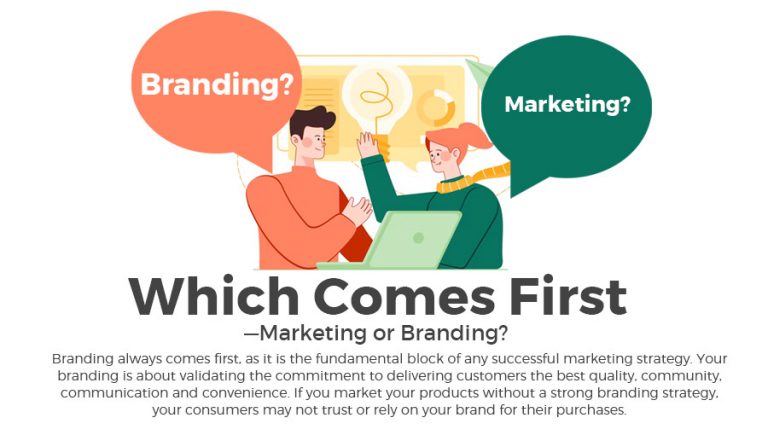
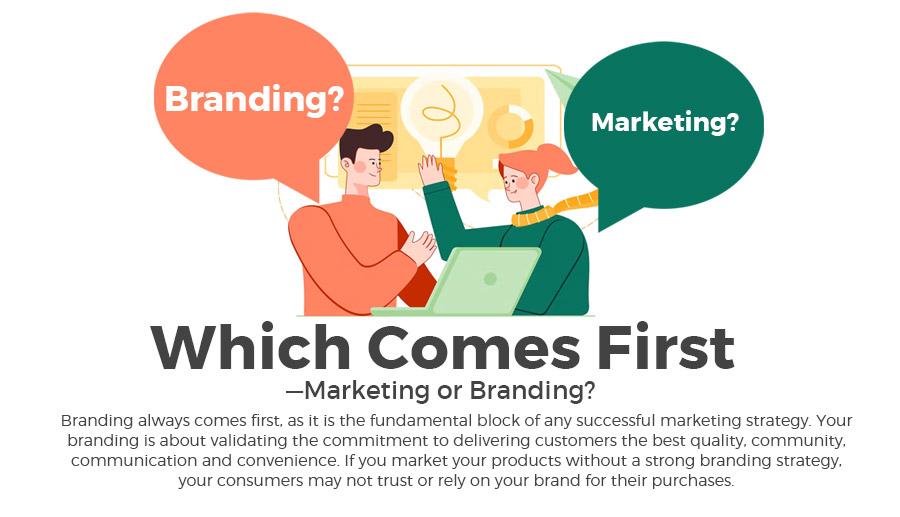
Branding vs. Marketing: What’s the Difference?

A robust marketing strategy is crucial for any business aiming to achieve its objectives and thrive in a competitive market. It’s not just about advertising; it’s a comprehensive plan that Artikels how a company will reach its target audience, communicate its value proposition, and ultimately drive desired outcomes. This encompasses a wide range of activities, from understanding customer needs to choosing the right channels for communication.Developing a comprehensive marketing strategy involves a structured approach that considers the business’s overall goals, target audience, and available resources.

It necessitates a thorough understanding of the competitive landscape and the unique selling propositions of the business. The strategy should be adaptable and responsive to changes in the market and customer preferences.

Understanding Target Audience Needs and Preferences

Identifying the target audience and comprehending their needs and preferences is paramount to a successful marketing strategy. A deep dive into the demographics, psychographics, and behavioral patterns of the target audience is essential. This knowledge informs the creation of tailored messaging and campaigns that resonate with the audience and effectively address their pain points. Market research, surveys, and social media analysis can all provide valuable insights into audience needs and preferences.

Marketing Channels and Their Roles

Effective marketing strategies leverage various channels to reach and engage the target audience. Different channels have unique strengths and weaknesses, making it essential to select those that align with the business’s goals and target audience characteristics. Understanding the strengths and weaknesses of each channel is key to maximizing their impact.

  • Social Media Marketing: Social media platforms provide a direct channel to connect with customers, build brand awareness, and drive engagement. Strategies for social media marketing typically involve content creation, targeted advertising, and community management. This includes engaging with comments and reviews, and monitoring sentiment towards the brand.
  • Email Marketing: Email marketing remains a powerful tool for nurturing leads, promoting products, and building customer relationships. Strategies involve segmentation, personalization, and automation to ensure high engagement and conversion rates. This can include personalized email campaigns based on customer behavior and purchase history.
  • Content Marketing: Content marketing involves creating valuable and relevant content to attract and engage the target audience. This can include blog posts, articles, infographics, videos, and podcasts. Effective content marketing aims to establish expertise and thought leadership, fostering trust and brand loyalty.
  • Search Engine Optimization (): strategies aim to improve the visibility of a website in search engine results pages. By optimizing website content and structure, businesses can increase organic traffic and attract potential customers. This often involves research and on-page optimization.

Adjusting Marketing Strategies to Meet Specific Business Goals

Marketing strategies must be aligned with the specific business goals. For instance, a company aiming for rapid growth might focus on aggressive lead generation and sales conversion strategies, while a company prioritizing brand awareness might prioritize content creation and social media engagement. Flexibility and adaptability are key, as market conditions and business needs evolve over time.

Different Marketing Channels and Their Strategies

Marketing Channel Typical Strategies
Social Media (e.g., Facebook, Instagram, Twitter) Content creation (engaging posts, videos), targeted advertising, influencer collaborations, community management
Email Marketing Personalized email campaigns, automated email sequences, email newsletters, lead nurturing
Content Marketing (e.g., Blog, Articles) Creating high-quality, informative content, optimization, guest blogging, content syndication
Search Engine Optimization () research, on-page optimization, link building, technical , content optimization
Paid Advertising (e.g., Google Ads, Social Media Ads) Targeted advertising campaigns, bidding strategies, A/B testing, conversion tracking

Digital Marketing Integration

Digital marketing is no longer a supplementary tactic but a fundamental component of comprehensive branding and marketing strategies. Integrating digital channels effectively allows businesses to reach broader audiences, personalize interactions, and build stronger relationships with customers in the modern landscape. This integration fosters a cohesive brand experience across all touchpoints, online and offline.Digital platforms are crucial for establishing a robust brand presence and nurturing meaningful customer engagement.

They facilitate direct communication with consumers, enabling brands to build trust, foster loyalty, and cultivate a strong community around their offerings.

Digital Platform Roles in Brand Building

Digital platforms serve as powerful tools for brand building, allowing for consistent messaging and visual identity across various channels. Websites, social media profiles, and online advertising campaigns contribute to a cohesive brand experience, reinforcing brand values and communicating brand personality.

Customer Engagement Through Digital Platforms

Digital platforms offer unprecedented opportunities for customer engagement. Interactive content, social media contests, and personalized email campaigns are just a few examples of how brands can foster meaningful connections with their audience. This engagement helps cultivate brand advocacy and fosters a sense of community around the brand.

Importance of Online Presence for Brand Awareness

An established online presence is paramount for enhancing brand awareness. A well-designed website, active social media engagement, and consistent online content creation contribute to building brand visibility and recognition among target audiences. This visibility directly impacts brand awareness and, consequently, business growth.

Tracking Marketing Campaign Performance with Digital Tools

Digital marketing tools offer sophisticated analytics capabilities, enabling businesses to track and measure the effectiveness of their campaigns. These tools provide valuable insights into key performance indicators (KPIs) such as website traffic, conversion rates, and social media engagement. This data-driven approach allows for strategic adjustments and optimized campaign performance.

Digital Marketing Tools and Platforms

Digital marketing tools and platforms are diverse and categorized by their specific functions. Understanding these tools is crucial for effectively implementing and managing digital marketing strategies. A well-structured approach, organized by functional categories, streamlines the process of selecting and integrating the right tools for achieving specific marketing objectives.

  • Website Management & Analytics: Platforms like WordPress, Shopify, and Google Analytics provide robust tools for website creation, management, and performance tracking. These platforms are vital for creating user-friendly websites, enhancing search engine visibility, and analyzing website traffic.
  • Search Engine Optimization (): Tools like SEMrush and Ahrefs help optimize websites for search engines, increasing organic visibility and driving targeted traffic. tools are indispensable for improving website rankings and achieving higher search engine results.
  • Social Media Management: Platforms like Hootsuite and Buffer streamline social media scheduling, content creation, and monitoring. Effective social media management tools facilitate consistent brand messaging and community engagement.
  • Email Marketing: Tools like Mailchimp and Constant Contact enable targeted email campaigns, nurturing leads, and fostering customer relationships. Email marketing is a powerful tool for direct communication and targeted promotions.
  • Paid Advertising: Platforms like Google Ads and Facebook Ads allow businesses to target specific audiences with paid advertisements. These platforms are essential for reaching potential customers and generating leads through targeted campaigns.

Case Studies and Examples

Understanding successful and unsuccessful branding and marketing strategies is crucial for effective business practices. Analyzing real-world examples illuminates the impact of various approaches and highlights key factors contributing to success or failure. This section presents case studies, showcasing the interplay between branding and marketing, and their influence on brand perception.

A Case Study of a Successful Brand: Nike

Nike’s success is largely attributed to its strong brand identity, built around athleticism, innovation, and aspirational imagery. Their consistent use of celebrity endorsements, powerful slogans, and impactful visuals has created a globally recognized brand that resonates with athletes and consumers alike. The brand effectively connects with its target audience on an emotional level, fostering loyalty and driving demand for their products.

This powerful brand equity translates into significant market share and profitability. For example, Nike’s “Just Do It” campaign, featuring iconic athletes, has become synonymous with motivation and perseverance, cementing the brand’s image in the public consciousness.

A Case Study of a Brand Facing Challenges: Blockbuster

Blockbuster, once a dominant force in the video rental industry, struggled to adapt to the rise of digital streaming services. Their failure to embrace new technologies and to innovate their marketing strategies proved costly. Their branding, rooted in the physical rental experience, became irrelevant as consumers shifted their preferences. Their marketing campaigns, unable to keep pace with the changing landscape, lost their effectiveness.

The inability to recognize and respond to market shifts ultimately led to the company’s demise. This example underscores the importance of adaptability and embracing new technologies in branding and marketing.

Branding Elements Contributing to Success: Starbucks

Starbucks’ success hinges on its distinctive brand identity. The company’s emphasis on creating a welcoming and comfortable atmosphere, coupled with high-quality coffee and a focus on customer experience, has fostered a strong brand image. Their consistent use of distinctive logos, colors, and interior design creates a recognizable and memorable brand experience. This holistic approach has created a loyal customer base, and Starbucks stands as a prime example of how effective branding can lead to a strong and enduring market position.

Impact of Marketing Campaigns on Brand Perception: Dove

Dove’s “Real Beauty” campaign is a prime example of how targeted marketing can positively influence brand perception. The campaign, which emphasized celebrating diverse beauty standards, resonated with consumers seeking authentic and inclusive messaging. The campaign significantly improved Dove’s brand image, shifting it from a product-focused brand to one aligned with social values. The campaign’s effectiveness demonstrates the power of aligning marketing efforts with current societal values.

Examples of Successful Digital Marketing Campaigns

Campaign Name Unique Approach Key Results
Patagonia’s “Don’t Buy This Jacket” Used humor and social commentary to challenge consumerism, aligning with the brand’s values. Increased brand awareness and strengthened its environmental message, resonating with environmentally conscious consumers.
Dollar Shave Club’s viral video Leveraged humor and a disruptive approach to break through traditional advertising norms. Created a significant buzz and attracted a large customer base by showcasing an innovative and unconventional approach to marketing.
Airbnb’s “Belong Anywhere” Showcased user-generated content and highlighted the human connection fostered by the platform. Successfully built a strong brand image, resonating with travellers and building trust in the platform.

These examples demonstrate the creativity and innovation that can be applied to digital marketing campaigns. They illustrate how brands can use digital channels to connect with their target audiences in meaningful ways.

Measuring Success and ROI

Assessing the efficacy of branding and marketing strategies requires a meticulous approach, moving beyond anecdotal evidence. Quantifiable metrics provide a clearer picture of return on investment (ROI) and the overall impact of these efforts. A well-defined measurement framework allows for adjustments and optimizations throughout the campaign lifecycle.Evaluating the effectiveness of branding and marketing requires a multifaceted strategy. This includes tracking various key performance indicators (KPIs) to gauge the performance of different aspects of the campaign, ranging from brand awareness to sales conversions.

This approach allows for a deeper understanding of customer behavior and market response to strategic initiatives.

Methods for Evaluating Branding and Marketing Strategy Success

A comprehensive evaluation encompasses multiple dimensions. Qualitative feedback from customer surveys and focus groups can complement quantitative data analysis. Tracking website traffic, social media engagement, and sales figures provides concrete metrics for measuring marketing effectiveness. By integrating these approaches, a more holistic and accurate assessment of the strategy’s success is achieved.

Importance of Key Performance Indicators (KPIs)

KPIs are crucial for monitoring the progress of branding and marketing efforts. They provide quantifiable data that allows for objective evaluation of campaign performance. Examples include website traffic, social media engagement, lead generation, conversion rates, and customer acquisition costs. A combination of these KPIs paints a more comprehensive picture of the strategy’s impact.

Tracking Return on Investment (ROI)

Calculating ROI is essential for demonstrating the financial value of branding and marketing initiatives. A robust ROI framework requires clearly defined goals, measurable objectives, and a system for tracking expenses and revenue generated by the campaign. The formula for ROI is (Net Profit / Cost of Investment)100. For example, if a marketing campaign costs $10,000 and generates $20,000 in profit, the ROI is 100%.

This metric helps determine the profitability of different marketing channels and campaigns.

Measuring the Effectiveness of a Specific Branding Element

Evaluating the impact of a specific branding element, like a logo or tagline, involves assessing its recognition and recall. Surveys, focus groups, and A/B testing can help gauge the element’s effectiveness. For instance, comparing website traffic and conversion rates with and without a new logo can pinpoint its impact on brand perception and customer behavior. The effectiveness can also be gauged by measuring brand perception shifts.

Assessing Customer Satisfaction

Customer satisfaction is a key indicator of successful branding and marketing. Methods for assessing this include surveys, feedback forms, and customer reviews. Customer feedback, whether positive or negative, provides insights into the effectiveness of the brand’s messaging and overall customer experience. Collecting this data allows for continuous improvement and refinement of the branding and marketing strategy. Monitoring customer feedback on social media platforms, reviews, and surveys helps identify areas for improvement.

Analysis of this feedback helps identify recurring themes and patterns that indicate specific strengths and weaknesses in the brand’s messaging and customer experience.

Ultimate Conclusion

In conclusion, crafting effective branding and marketing strategies requires a deep understanding of their distinct yet interconnected roles. By recognizing the fundamental differences and synergistic relationship between branding and marketing, businesses can develop a robust plan for long-term success. This guide has provided a comprehensive overview, from the theoretical underpinnings to practical applications, empowering businesses to leverage these strategies effectively.

Questions and Answers

What are the key differences between branding and marketing?

Branding focuses on building a unique brand identity, while marketing focuses on promoting and communicating that identity to a target audience. Branding is about who you are, while marketing is about how you reach others.

How can I measure the ROI of my branding efforts?

Tracking brand awareness, customer perception, and brand equity over time can provide insights into the return on investment for branding initiatives. Quantitative metrics like website traffic, social media engagement, and customer surveys can also help.

What are some common mistakes businesses make when integrating branding and marketing?

A lack of clarity in defining target audiences, failing to align brand messaging across different marketing channels, and neglecting to track and measure results are common pitfalls. Consistency is key.

How important is market research in developing a branding strategy?

Market research is essential for understanding customer needs, preferences, and competitive landscapes. This information provides critical data for developing a tailored and effective brand strategy.
Brand marketing lead jobs are in high demand, and for good reason. These roles are critical for driving brand growth and maintaining a strong presence in today’s competitive landscape. This guide delves into the core responsibilities, required skills, and current trends in this exciting field.

This comprehensive overview explores the multifaceted nature of brand marketing leadership, examining everything from strategic planning and execution to digital marketing strategies and adapting to evolving market conditions. Understanding the role and its various aspects is crucial for those seeking to excel in this field.

Responsibilities of a Brand Marketing Lead

A Brand Marketing Lead is a pivotal role in any organization, responsible for shaping and executing the brand’s overall marketing strategy. This involves understanding the target audience, developing compelling brand messaging, and ensuring consistent brand representation across all platforms. They are the driving force behind building a strong, recognizable brand identity.The role encompasses a wide spectrum of responsibilities, from strategic planning and campaign execution to performance analysis and brand guardianship.

This comprehensive approach ensures the brand maintains its core values and resonates with its intended audience.

Strategic Planning and Campaign Execution

The Brand Marketing Lead plays a critical role in developing and implementing strategic marketing plans. This involves thorough market research, competitive analysis, and the identification of key performance indicators (KPIs). They translate these insights into actionable marketing strategies, including campaign objectives, target audiences, and budget allocation. Furthermore, the lead develops detailed campaign plans, outlining timelines, tasks, and responsibilities for the marketing team.

Brand Building and Messaging

Brand building is a cornerstone of the Brand Marketing Lead’s role. They define the brand’s core values, personality, and positioning within the market. This includes creating compelling brand narratives, developing a cohesive brand voice, and ensuring consistent brand messaging across all communication channels. The brand marketing lead actively manages brand guidelines to ensure consistency and maintain a strong brand image.

Interdepartmental Collaboration

Effective brand marketing necessitates collaboration with various departments. The Brand Marketing Lead works closely with sales teams to align marketing efforts with sales goals. They also collaborate with product development to ensure marketing materials accurately reflect product features and benefits. This collaboration ensures a cohesive and unified message that resonates with the target audience and supports sales objectives.

Maintaining Brand Consistency

Maintaining brand consistency across all platforms is paramount. The Brand Marketing Lead ensures all marketing materials, from website content to social media posts, adhere to the established brand guidelines. This includes monitoring and adapting the brand messaging to maintain relevance and effectiveness in evolving market conditions. This commitment to consistency fosters brand recognition and strengthens customer trust.

Daily Tasks

A typical day for a Brand Marketing Lead might include:

  • Reviewing market research data and competitor analyses.
  • Developing and refining brand messaging for new campaigns.
  • Collaborating with design teams to create compelling visuals and marketing materials.
  • Managing budgets and tracking campaign performance against KPIs.
  • Communicating campaign updates and progress to stakeholders.

Campaign Stages and Brand Marketing Lead Responsibilities

The table below illustrates the Brand Marketing Lead’s involvement in various stages of a marketing campaign.

Campaign Stage Brand Marketing Lead’s Role
Ideation & Planning Defining campaign objectives, target audience, and budget; conducting market research and competitive analysis; developing a comprehensive campaign plan.
Execution & Implementation Managing the execution of the campaign; ensuring adherence to brand guidelines; coordinating with various teams (e.g., design, content, social media).
Monitoring & Analysis Tracking key performance indicators (KPIs); analyzing campaign data to identify areas for improvement; making necessary adjustments to the campaign strategy.
Post-Campaign Evaluation Evaluating the overall campaign performance; identifying lessons learned and areas for optimization; presenting campaign results to stakeholders; contributing to future campaign planning.

Digital Marketing and Brand Marketing

Solo Leveling Challenger Series UniVersus Sung Jinwoo Deck

Digital marketing has revolutionized how brands interact with customers and build their reputations. It offers a wealth of opportunities for targeted campaigns and measurable results, differentiating itself from traditional methods. A Brand Marketing Lead plays a pivotal role in leveraging these digital channels to achieve brand objectives.A successful brand marketing lead seamlessly integrates digital strategies into the overall marketing mix.

This involves understanding the nuances of various digital platforms and tailoring campaigns to resonate with specific target audiences. This approach allows for precise targeting and a more personalized customer experience.

Comparing Digital and Traditional Marketing Strategies

Traditional marketing methods, such as print advertising and television commercials, often rely on broad reach. Digital marketing, on the other hand, enables precise targeting based on demographics, interests, and online behavior. This targeted approach allows for higher conversion rates and improved ROI. While traditional methods can create impactful visuals and experiences, digital marketing excels in its ability to track and measure campaign performance in real-time.

Digital Channels for Brand Building and Promotion

Brand Marketing Leads leverage various digital channels to build brand awareness and drive engagement. These channels include social media platforms, search engine optimization (), search engine marketing (SEM), email marketing, and content marketing. Each channel offers a unique approach to reaching and interacting with potential customers. For instance, ensures a brand is easily discoverable online, while social media allows for direct engagement and building community.

Key Digital Marketing Tools and Platforms

A wide array of tools and platforms support a Brand Marketing Lead’s efforts. Google Analytics, Hootsuite, Buffer, and SEMrush are examples of valuable resources for tracking campaign performance, managing social media presence, scheduling posts, and conducting research. These tools empower data-driven decision-making, enabling the optimization of marketing campaigns in real-time.

Data Analysis in Digital Marketing

Data analysis is critical for a Brand Marketing Lead to understand campaign effectiveness and identify areas for improvement. Data from various sources, including website analytics, social media engagement, and sales figures, provide insights into customer behavior and campaign performance. This data-driven approach allows for continuous optimization of marketing strategies and ensures alignment with overall business objectives. The insights derived from data analysis inform the prioritization of specific strategies and channels.

Social Media Strategies in Overall Marketing Plans

Social media plays a vital role in brand marketing, acting as a platform for engagement, community building, and direct interaction with customers. Brand Marketing Leads integrate social media strategies into their overall marketing plans by tailoring content to specific platforms and audiences. This includes understanding platform-specific best practices and developing a consistent brand voice across all channels.

Relationship Between Digital Marketing Channels and Brand Awareness

The effectiveness of various digital marketing channels in boosting brand awareness can be visualized using a table. This table demonstrates the correlation between specific channels and their impact on brand visibility and engagement.

Digital Marketing Channel Impact on Brand Awareness Examples
Search Engine Optimization () Improved organic search visibility, driving qualified traffic to the website. Optimizing website content, building high-quality backlinks.
Social Media Marketing Increased brand reach and engagement through interactive content. Creating engaging posts, running targeted ads, hosting contests.
Paid Search Advertising (PPC) Targeted traffic and brand exposure to specific demographics. Utilizing Google Ads, Bing Ads, and other platforms.
Email Marketing Direct communication with subscribers, nurturing leads and driving conversions. Segmenting email lists, personalizing content, automating workflows.
Content Marketing Building brand authority and attracting organic traffic through valuable content. Creating blog posts, articles, infographics, and videos.

Job Market Trends and Requirements

The brand marketing lead job market is dynamic and demanding, requiring professionals to adapt to evolving consumer expectations and technological advancements. Staying ahead of the curve in this field involves understanding current trends, honing essential skills, and embracing emerging technologies. This section delves into the key aspects of this evolving landscape.

Current Trends in the Brand Marketing Lead Job Market

The brand marketing lead role is increasingly focused on data-driven strategies and measurable results. Companies are seeking leaders who can demonstrate a strong understanding of market analysis, consumer behavior, and ROI optimization. This shift reflects a greater emphasis on accountability and demonstrable impact in marketing efforts.

Skills and Experience Most Sought After

Highly sought-after skills for brand marketing leads include strong analytical abilities, strategic thinking, and creative problem-solving. Proficiency in digital marketing tools and platforms is crucial, along with a deep understanding of social media trends and influencer marketing. Experience in developing and executing integrated marketing campaigns across various channels is also a significant advantage. Furthermore, exceptional communication and leadership skills are essential to inspire and guide teams.

Importance of Emerging Technologies for Brand Marketing Leads

Emerging technologies, such as artificial intelligence (AI) and automation, are fundamentally changing how brands interact with consumers. AI-powered tools can personalize marketing campaigns, optimize content strategies, and improve customer experience. Brand marketing leads need to understand how to leverage these technologies effectively to gain a competitive edge. Examples include using AI chatbots for customer service, predictive analytics for campaign optimization, and automated social media engagement.

Understanding the ethical implications of AI in marketing is also increasingly important.

Adapting to Changing Market Conditions

The ability to adapt to shifting market conditions is critical for brand marketing leads. This involves staying abreast of industry trends, analyzing competitor strategies, and responding quickly to changing consumer preferences. Companies are seeking leaders who can proactively identify opportunities and risks and adjust strategies accordingly. This adaptability ensures the brand remains relevant and competitive.

Role of a Brand Marketing Lead in Driving Brand Growth

A brand marketing lead plays a pivotal role in driving brand growth in a competitive landscape. This includes defining and articulating a clear brand strategy, developing engaging content, and creating meaningful customer experiences. Effective brand marketing leads leverage data and insights to inform decisions, and understand the impact of their actions on brand equity. They also collaborate effectively with other departments to ensure alignment and support.

Typical Career Progression Path for a Brand Marketing Lead

Level Responsibilities Skills Required Typical Experience
Junior Brand Marketing Specialist Assisting in marketing projects, supporting campaign execution Basic understanding of marketing principles, familiarity with social media 1-3 years of experience in a related field
Brand Marketing Manager Managing marketing campaigns, leading small teams Strong analytical skills, experience in campaign management 3-5 years of experience, potentially with a focus on specific channels or industries
Brand Marketing Lead Developing and executing brand strategies, leading larger teams Strategic thinking, leadership skills, budget management 5+ years of experience, proven track record of success
Senior Brand Marketing Lead/Director Overseeing multiple marketing teams, shaping brand vision Deep understanding of brand building, strong leadership and communication skills 10+ years of experience, demonstrated leadership abilities and strategic vision

Illustrative Examples of Brand Marketing Leads

Brand marketing leadership is crucial for driving brand growth and market share. Effective brand marketing leads not only execute campaigns but also shape brand narratives and cultivate strong relationships with stakeholders. Their influence extends beyond tactical execution, impacting the very essence of a brand’s identity and positioning.

Notable Brand Marketing Leaders

Successful brand marketing leaders often demonstrate a blend of strategic thinking, creative problem-solving, and strong communication skills. They understand the nuances of the target market and leverage various channels to effectively reach and resonate with consumers. Their contributions often result in measurable increases in brand awareness, market share, and ultimately, profitability.

  • Seth Godin: A renowned author and marketing expert, Godin’s emphasis on permission marketing and unconventional approaches has influenced countless brands. His focus on building a strong brand voice and engaging directly with customers has led to impactful campaigns that transcend traditional marketing methodologies. His work highlights the importance of understanding customer needs and creating authentic connections.
  • Gary Vaynerchuk: Known for his direct and engaging style, Vaynerchuk emphasizes the importance of authenticity and building genuine connections with customers. His campaigns often utilize social media platforms to foster brand loyalty and community engagement, showcasing the power of digital marketing in the modern era.
  • Chip and Dan Heath: The authors of “Made to Stick,” Chip and Dan Heath are recognized for their work on crafting memorable and impactful marketing messages. Their understanding of how stories and narratives can shape brand perception has led to numerous successful campaigns that have created lasting impressions on audiences.

Case Studies of Successful Brand Marketing Campaigns

These case studies illustrate the impact of strategic brand marketing leadership on achieving specific objectives.

  • Nike’s “Just Do It” Campaign: This iconic campaign, driven by a clear understanding of its target audience, leveraged powerful imagery and emotional storytelling to create a lasting brand identity. The campaign’s enduring success underscores the importance of a well-defined brand narrative that resonates deeply with consumers.
  • Apple’s product launches: Apple’s marketing campaigns are often lauded for their seamless integration of product design, messaging, and media coverage. They consistently create buzz and excitement around new product releases, effectively influencing consumer perceptions and driving significant sales. The key to their success is in maintaining a consistent brand image and cultivating anticipation.
  • Dove’s “Real Beauty” Campaign: This campaign aimed to challenge conventional beauty standards and promote a more inclusive message. Dove’s strategy of focusing on diversity and self-acceptance resonated strongly with its target audience, fostering a sense of belonging and strengthening brand loyalty.

Addressing Challenges and Achieving Results

Brand marketing leaders face a myriad of challenges, from navigating evolving market trends to managing tight budgets. Successful leaders adapt to these challenges through innovative strategies and a deep understanding of the market landscape.

  • Adapting to Evolving Consumer Trends: A key challenge is keeping up with the rapid pace of technological advancements and shifting consumer preferences. Adapting marketing strategies to align with these changes is critical for maintaining relevance and engagement with target audiences. This includes understanding new digital platforms, shifting media consumption habits, and integrating technology into marketing campaigns.
  • Budget Constraints: Effective brand marketing leads often work within budgetary constraints while still achieving impressive results. Creative resourcefulness, cost-effective marketing strategies, and leveraging free or low-cost marketing channels are essential for successful campaign execution.

Strategies for Gaining Market Share

A comprehensive approach is necessary to successfully gain market share. Effective strategies focus on increasing brand awareness, enhancing customer loyalty, and differentiating the brand from competitors.

  • Differentiation: A strong brand identity that stands out from competitors is essential. This differentiation can be achieved through unique product offerings, innovative marketing campaigns, or a distinctive brand voice.
  • Building Brand Awareness: Creating a strong brand presence in the market is fundamental to gaining market share. This includes leveraging various marketing channels to increase visibility and reach the target audience effectively.

Importance of Leadership and Communication Skills

Strong leadership and communication skills are vital for success in a brand marketing lead role. These skills enable effective team management, clear communication of brand vision, and successful campaign execution.

  • Team Management: Leading a team effectively requires understanding individual strengths, delegating tasks appropriately, and fostering a collaborative environment. Brand marketing leads must motivate their teams to achieve shared goals and maximize their individual contributions.
  • Clear Communication: Clearly articulating the brand’s vision, mission, and objectives to stakeholders, including the team and clients, is critical. Effective communication ensures alignment and fosters a shared understanding of the brand’s direction.

Final Review

In conclusion, brand marketing lead jobs are dynamic and demanding, requiring a blend of strategic thinking, technical expertise, and strong leadership qualities. The role demands adaptability, a keen understanding of the market, and a passion for building and promoting brands. By mastering the Artikeld responsibilities and skills, individuals can excel in this vital role and contribute significantly to a company’s success.

FAQ Compilation

What are the typical salary ranges for brand marketing leads?

Salary ranges vary significantly based on experience, location, and company size. However, a general range can be found in the detailed table in the main content.

What are the key differences between a brand marketing lead and a marketing manager?

A brand marketing lead typically focuses on the overall brand strategy and positioning, while a marketing manager manages day-to-day marketing activities. A key distinction lies in the strategic vs. tactical approach.

How can I prepare for a brand marketing lead interview?

Thorough research of the company and its brand, demonstrating a deep understanding of marketing principles, and highlighting relevant experience and skills through examples are crucial.

What are some emerging technologies that are impacting brand marketing leads?

AI, automation, and data analytics are significantly impacting the field. A brand marketing lead should be proficient in using these tools for improved efficiency and performance.